
Enchantingly
2024Siquijor’s stories of mysticism, healing, and magic.
Enchantingly
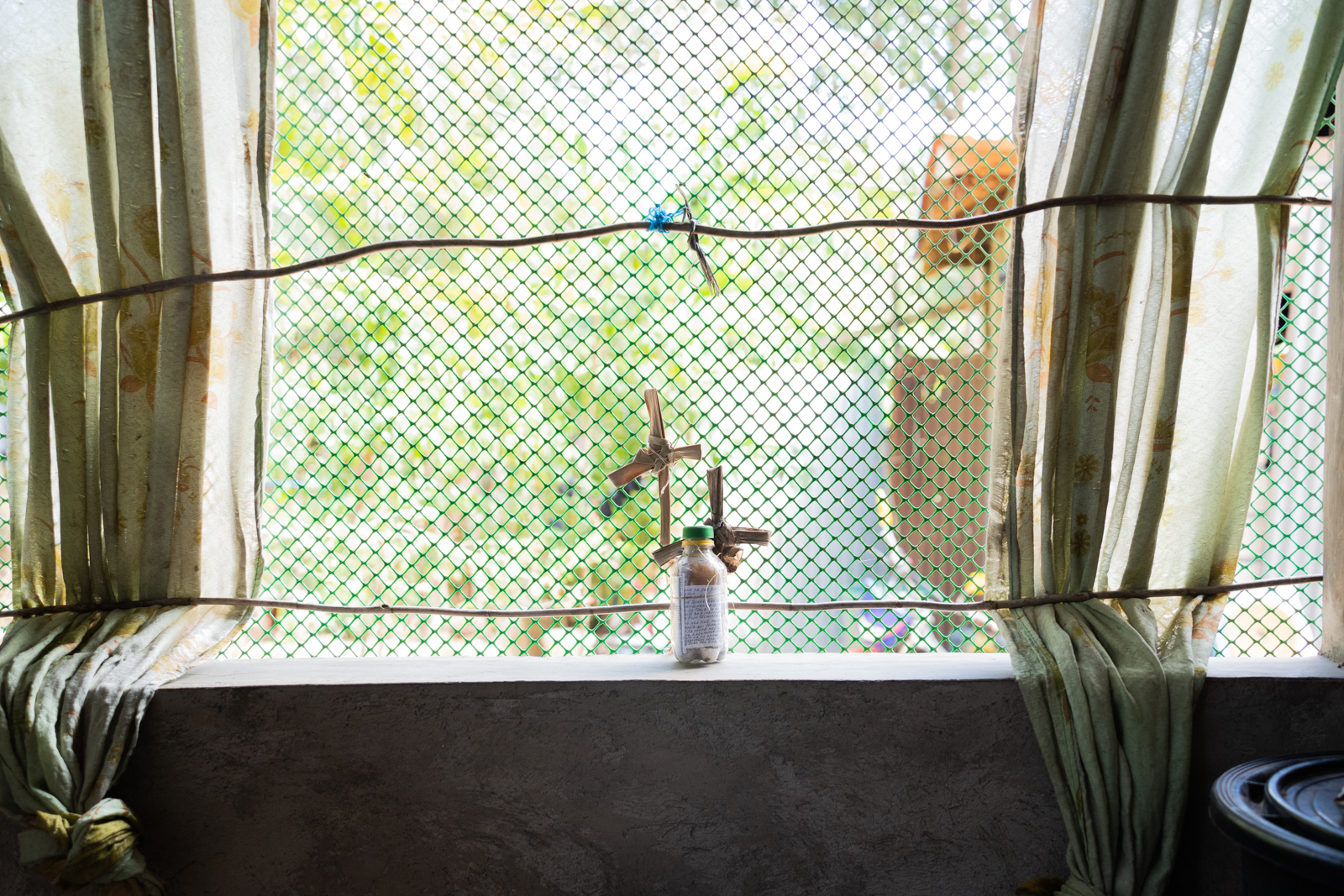
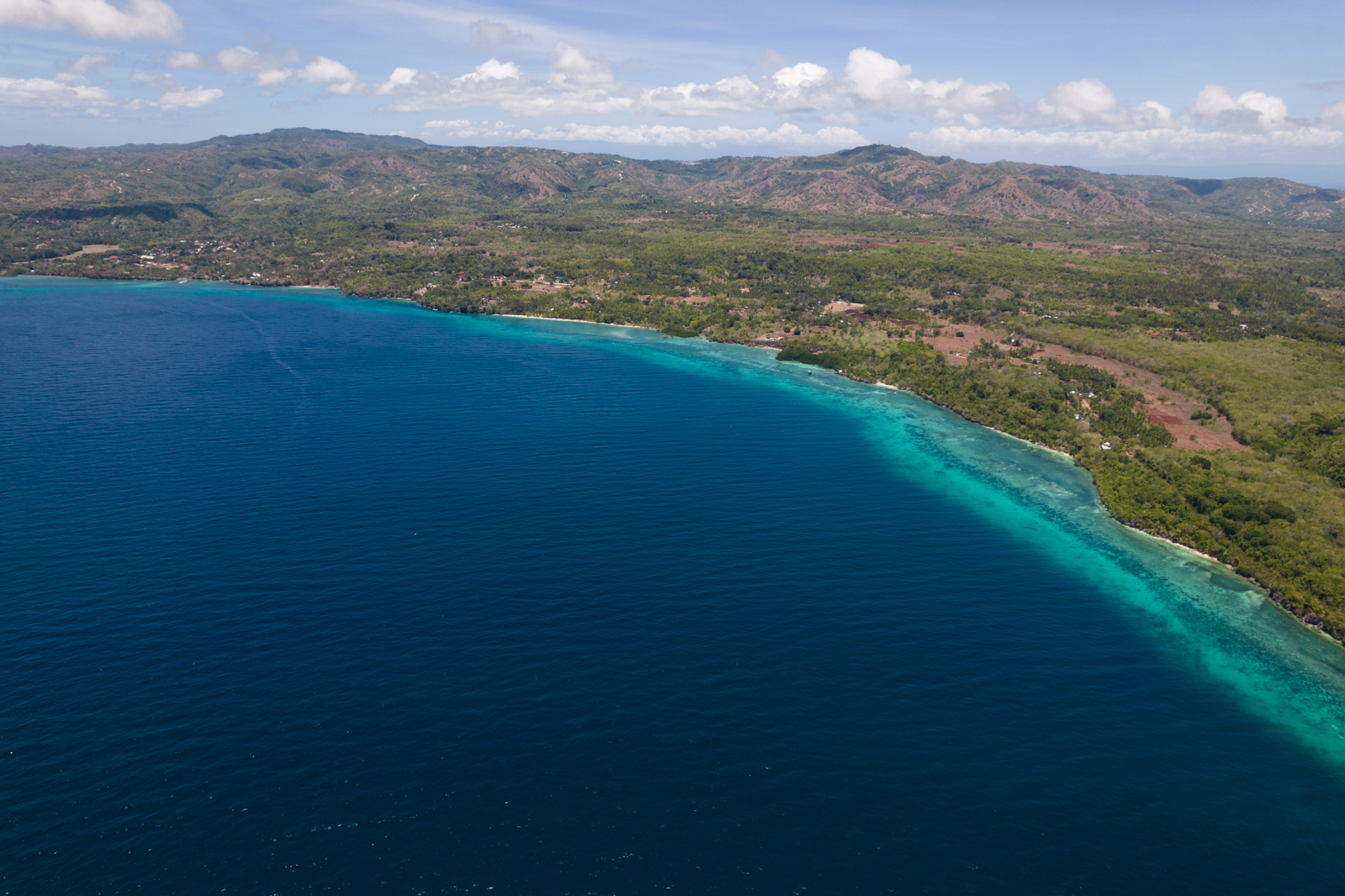
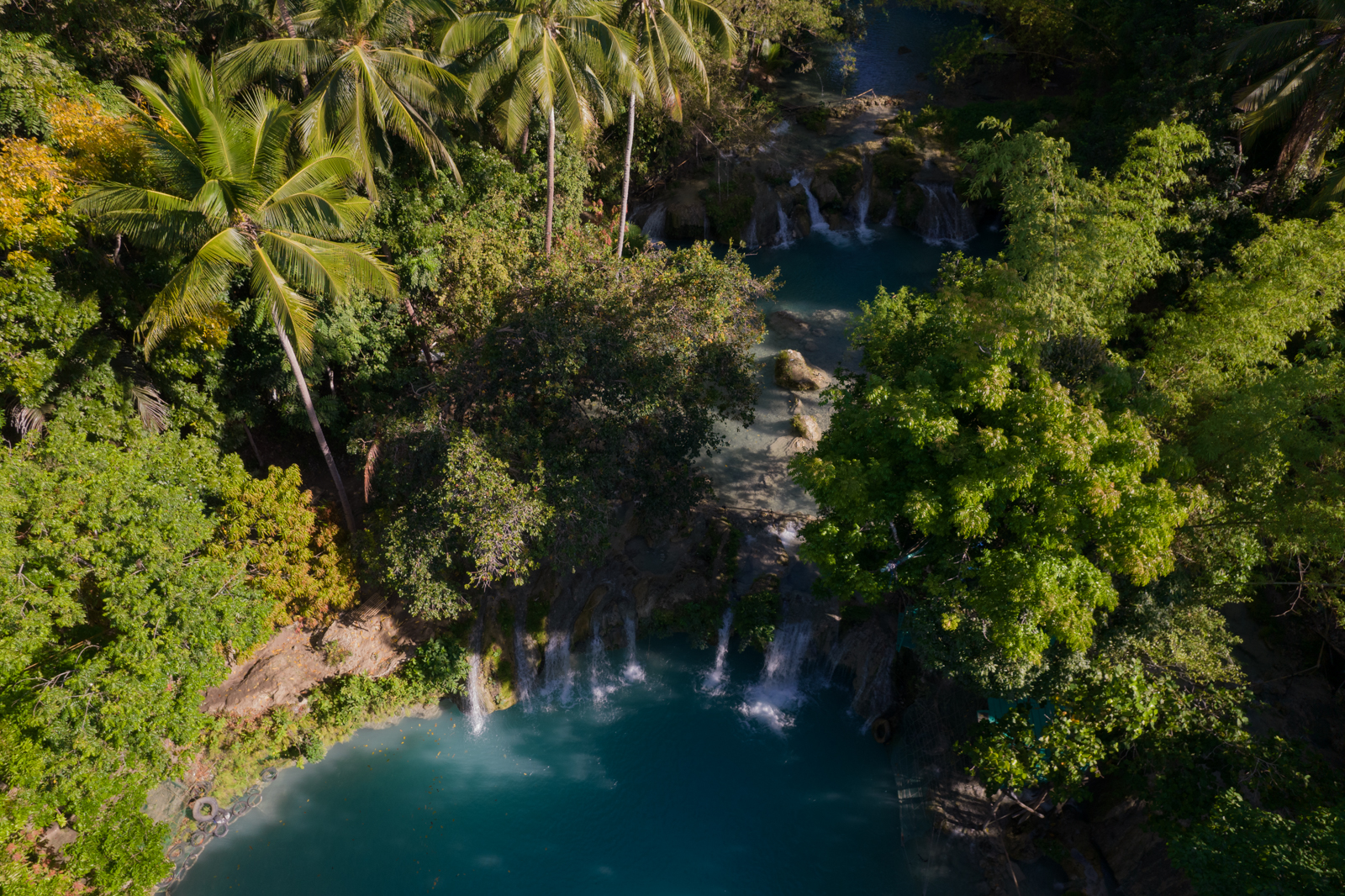
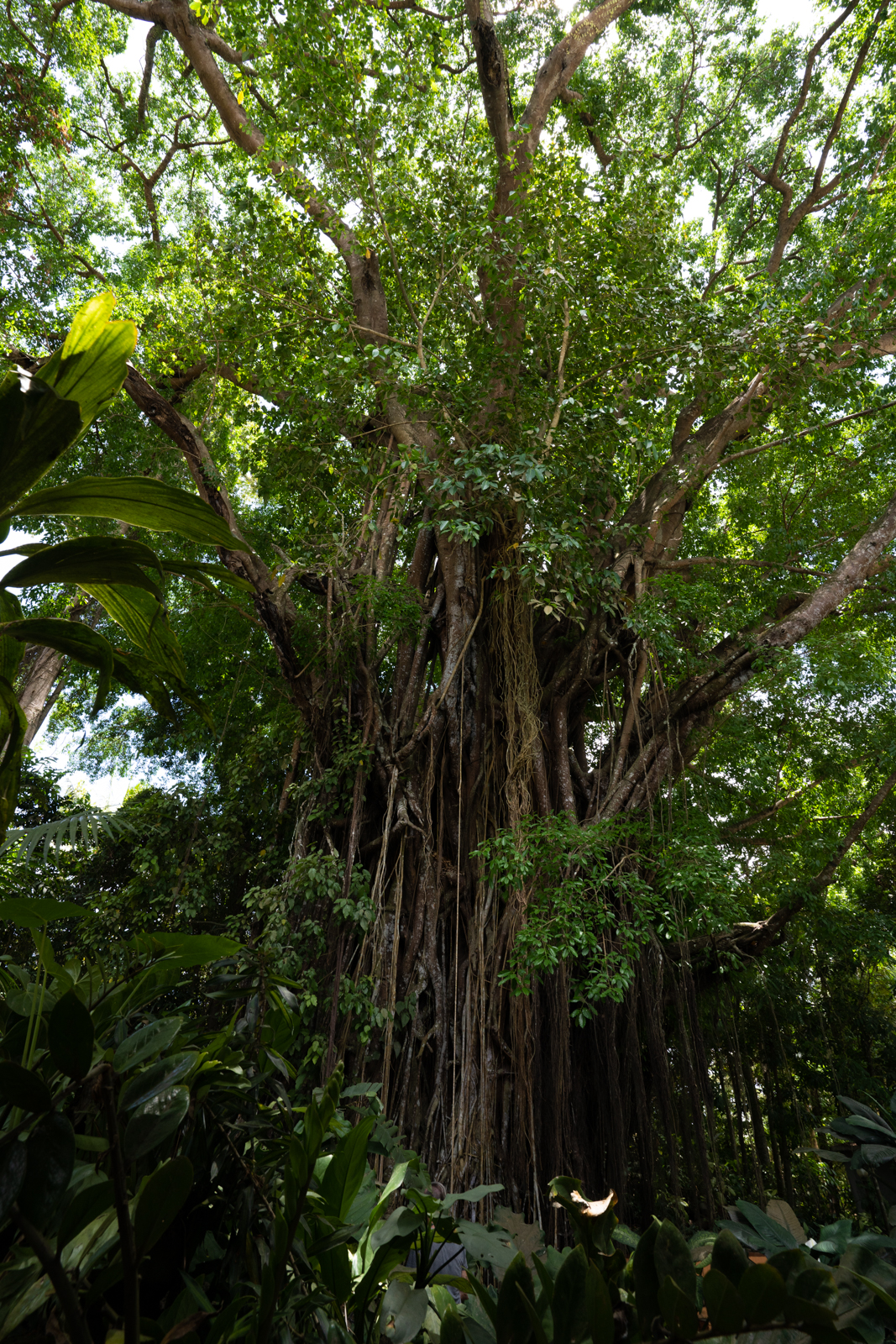
2024Before Siquijor became a tourist destination, it held a notorious reputation among locals. Those who ventured to the island were often driven by desperation, seeking cures where Western medicine had failed. Many returned with tales of miraculous recoveries, attributing their newfound health to what they believed was sorcery and black magic. This perception fueled the legend that the island’s healers were witches, capable of healing sickness they were believed to have caused. However, a deeper exploration reveals that their healing practices are rooted in indigenous knowledge and connection to nature that scientific interpretation and Western medical understanding can’t explain. It initially earned its mystical reputation when Spanish explorers mistook swarms of fireflies around the Molaves for something enchantingly aflame seen from afar.
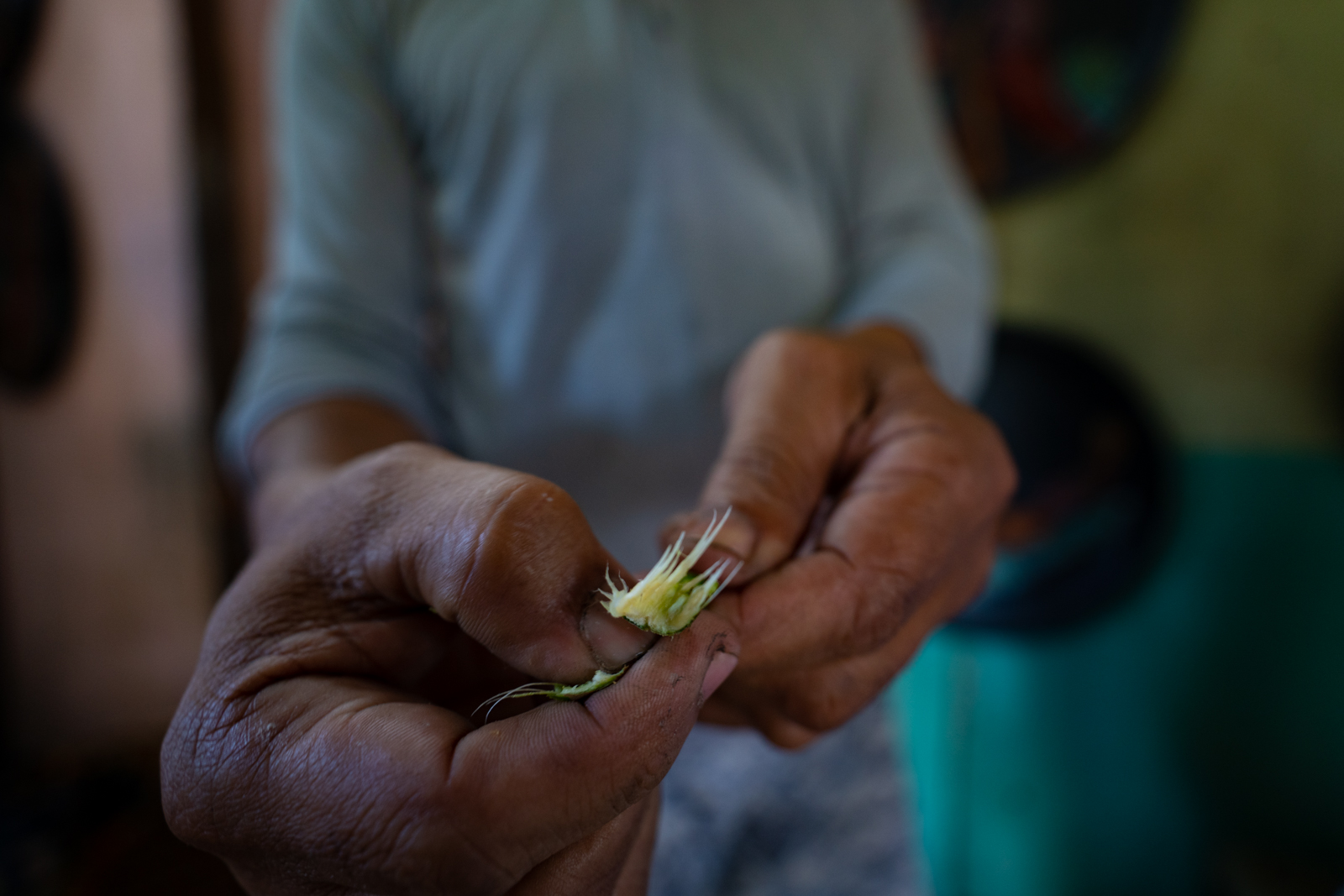
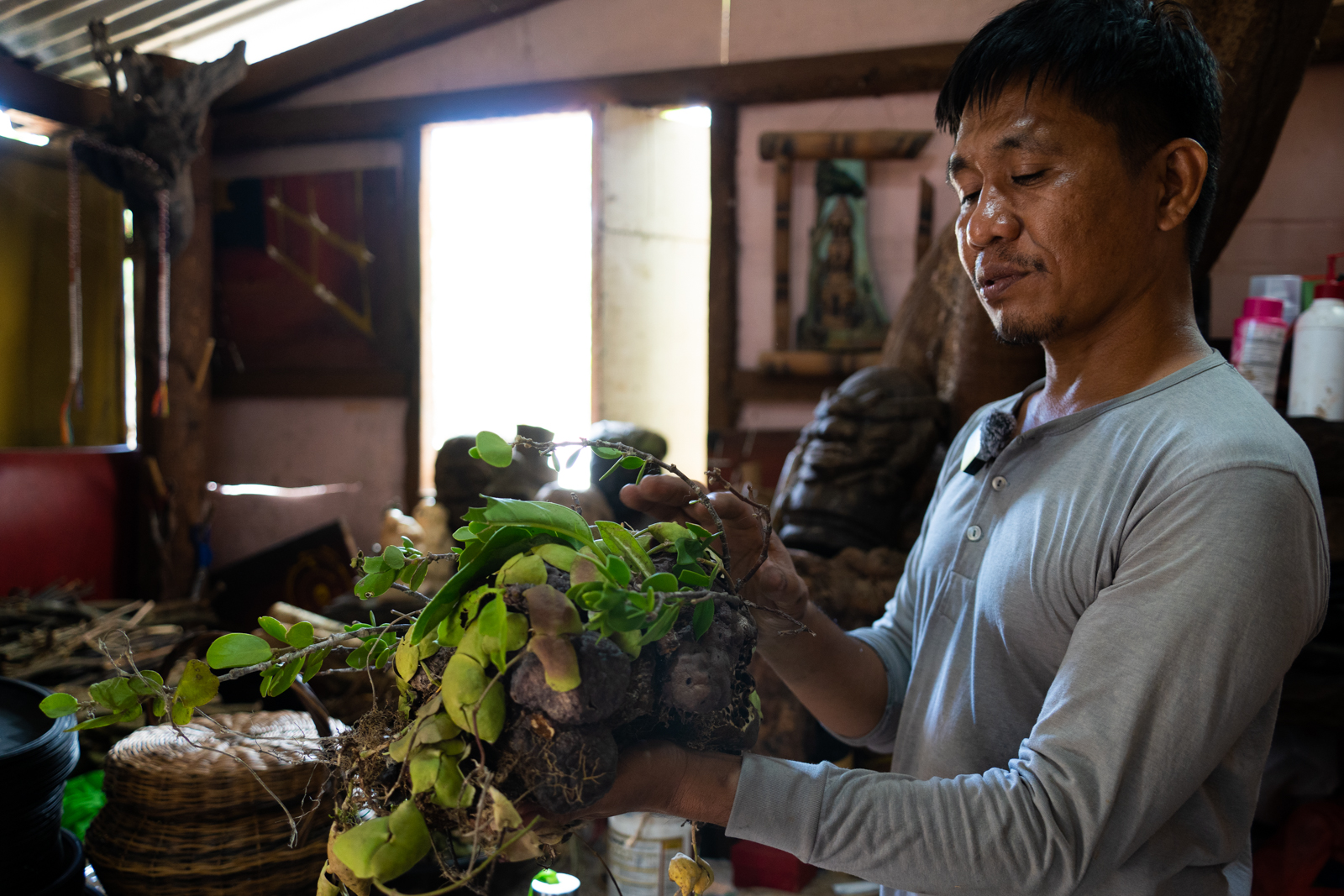
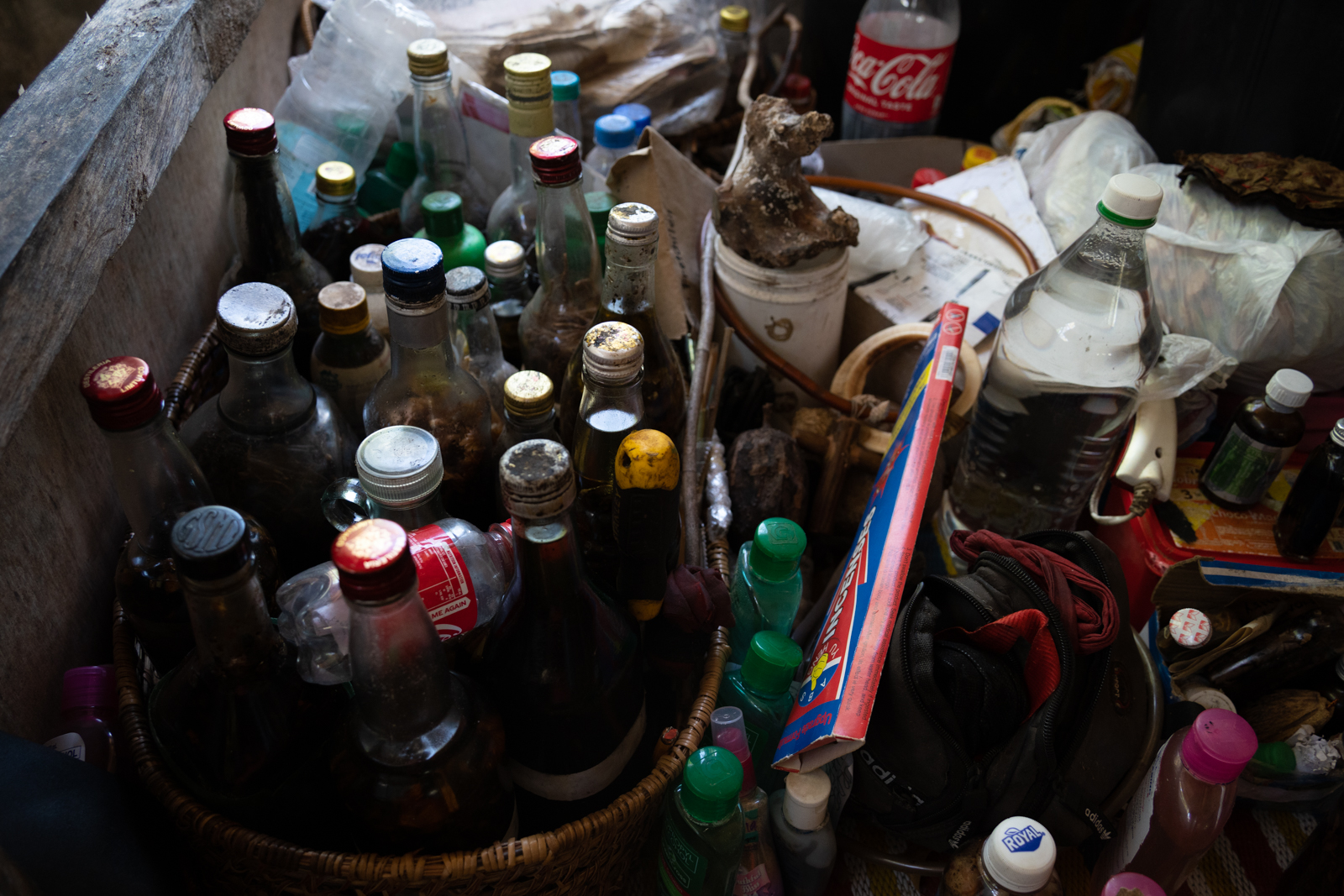
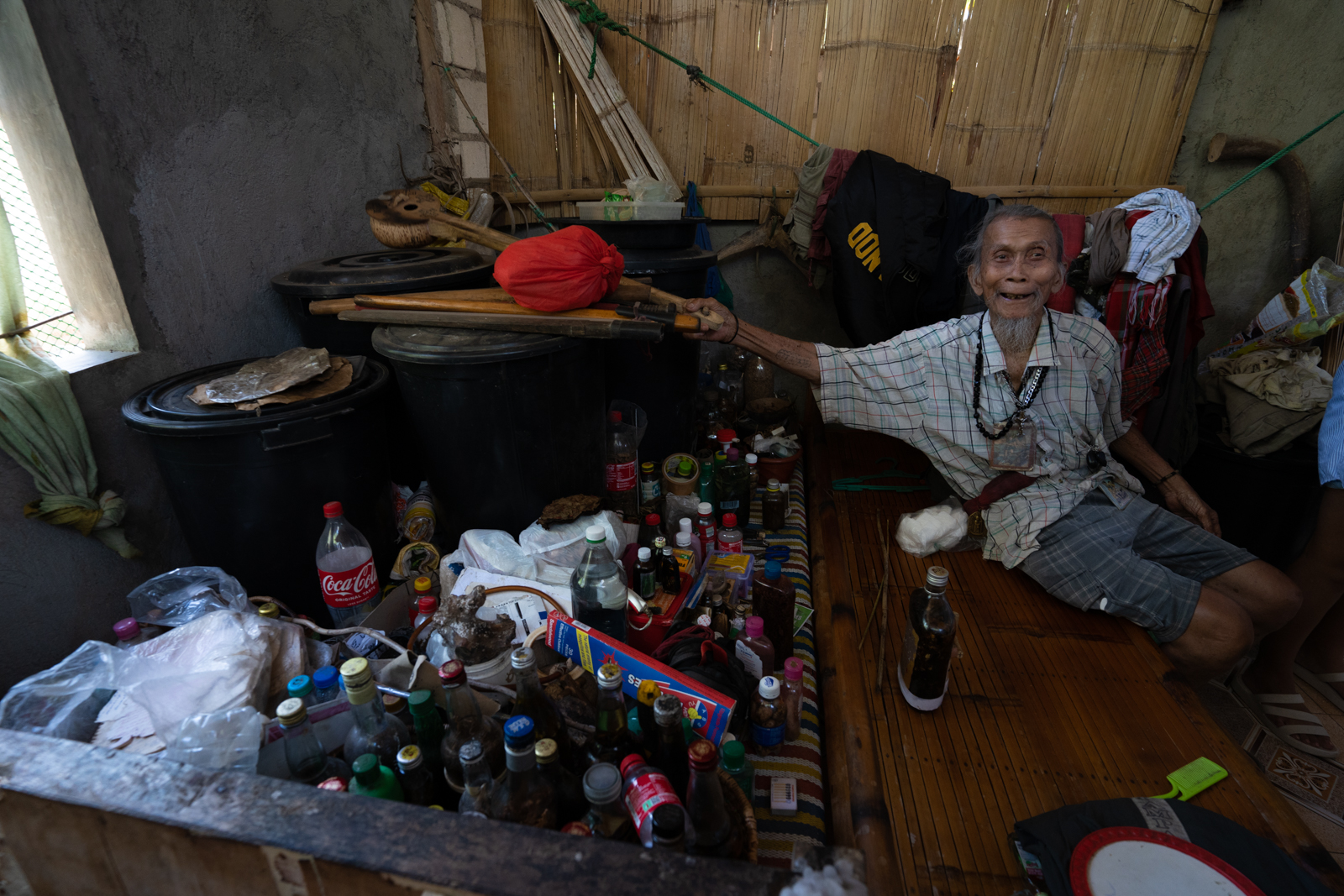
On Lent, especially on Good Friday, healers from all corners of the country join the healers from the island to scour forests, cemeteries, caves, churches, coastlines, and the ocean. Elements sourced from these places are used to create potent healing essences, crafted into oils and pastes like lana and minasa. Holy Week is the most ideal time for Pangangalap as it coincides perfectly with the dry season when the plants acquire their most potent properties.
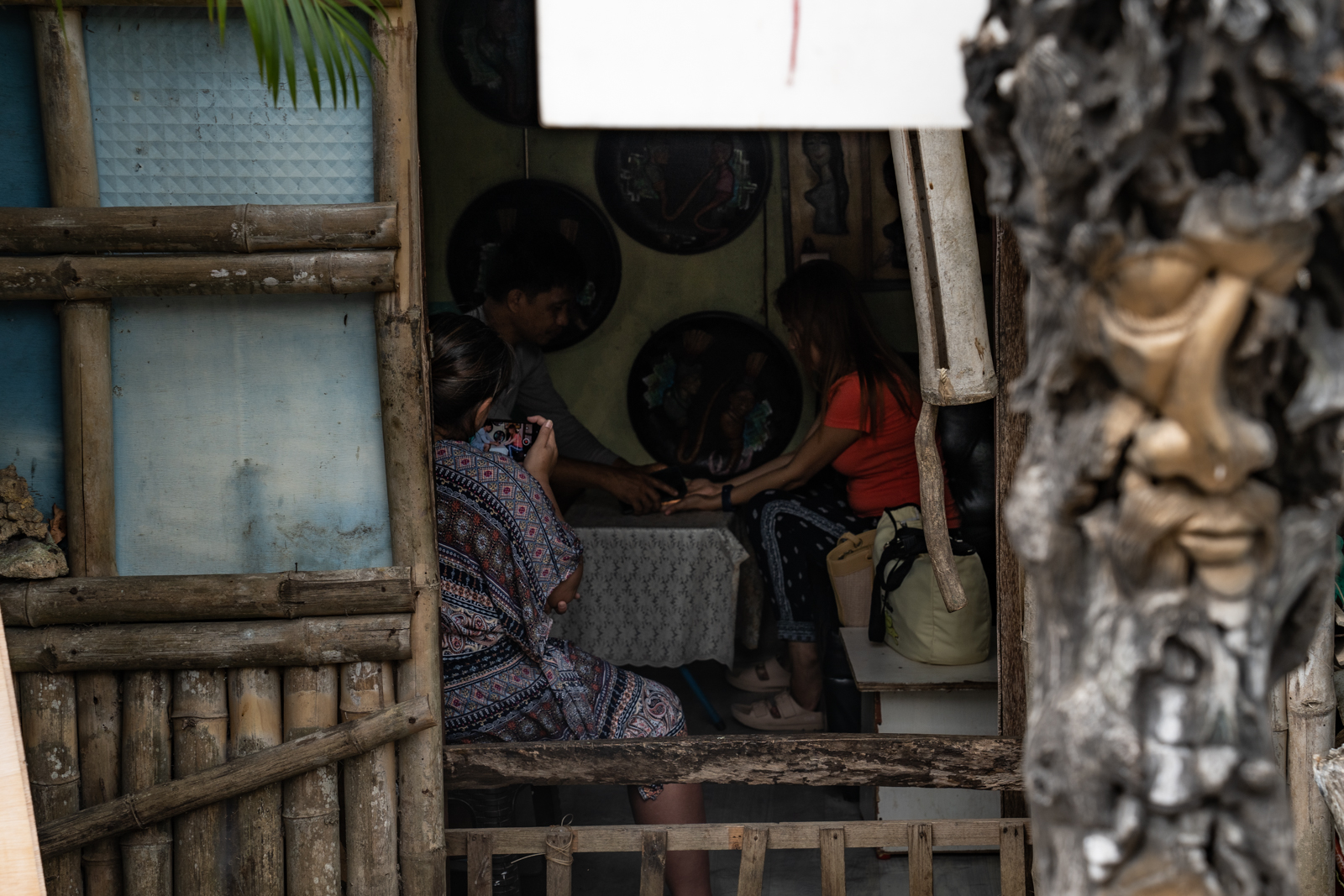
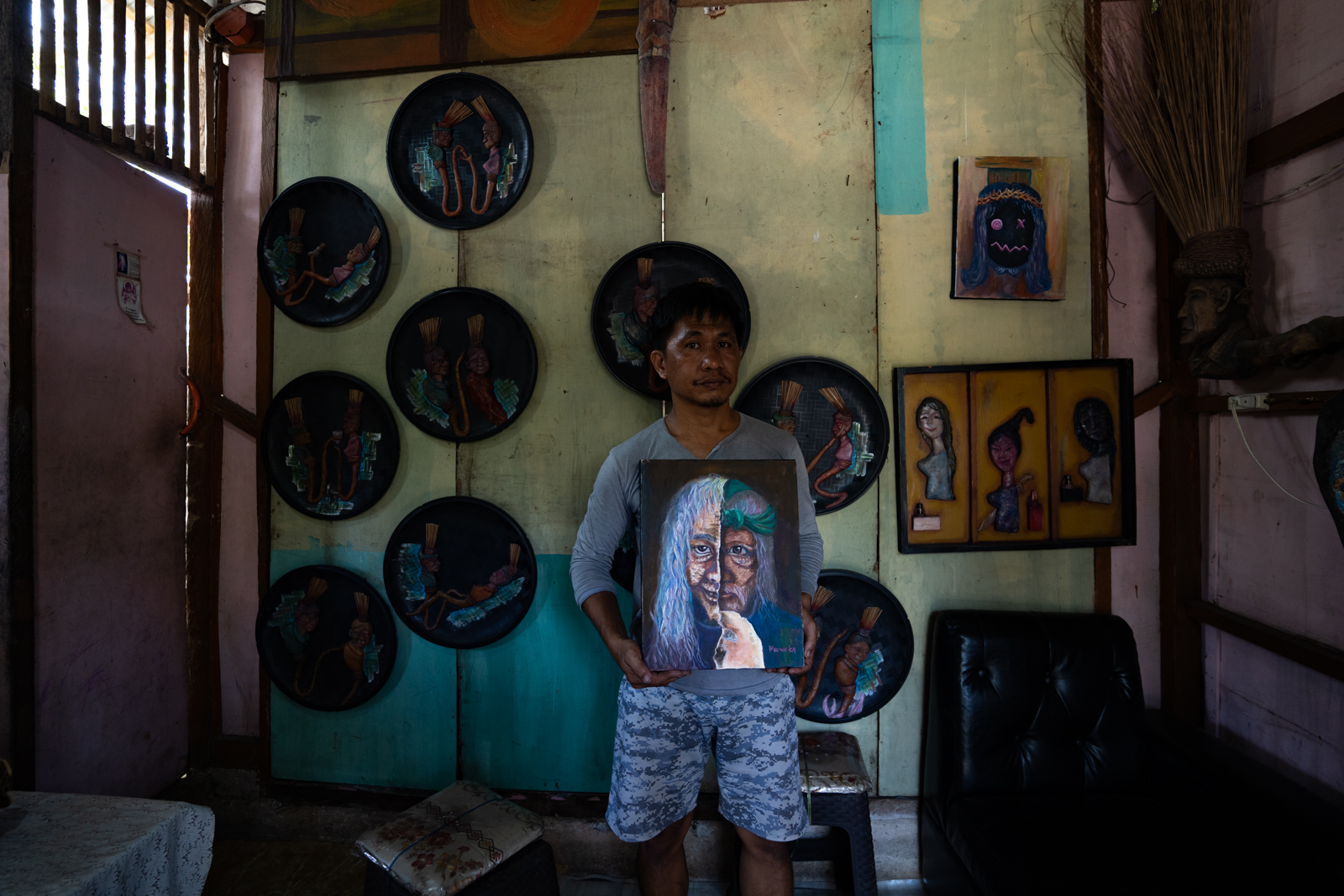
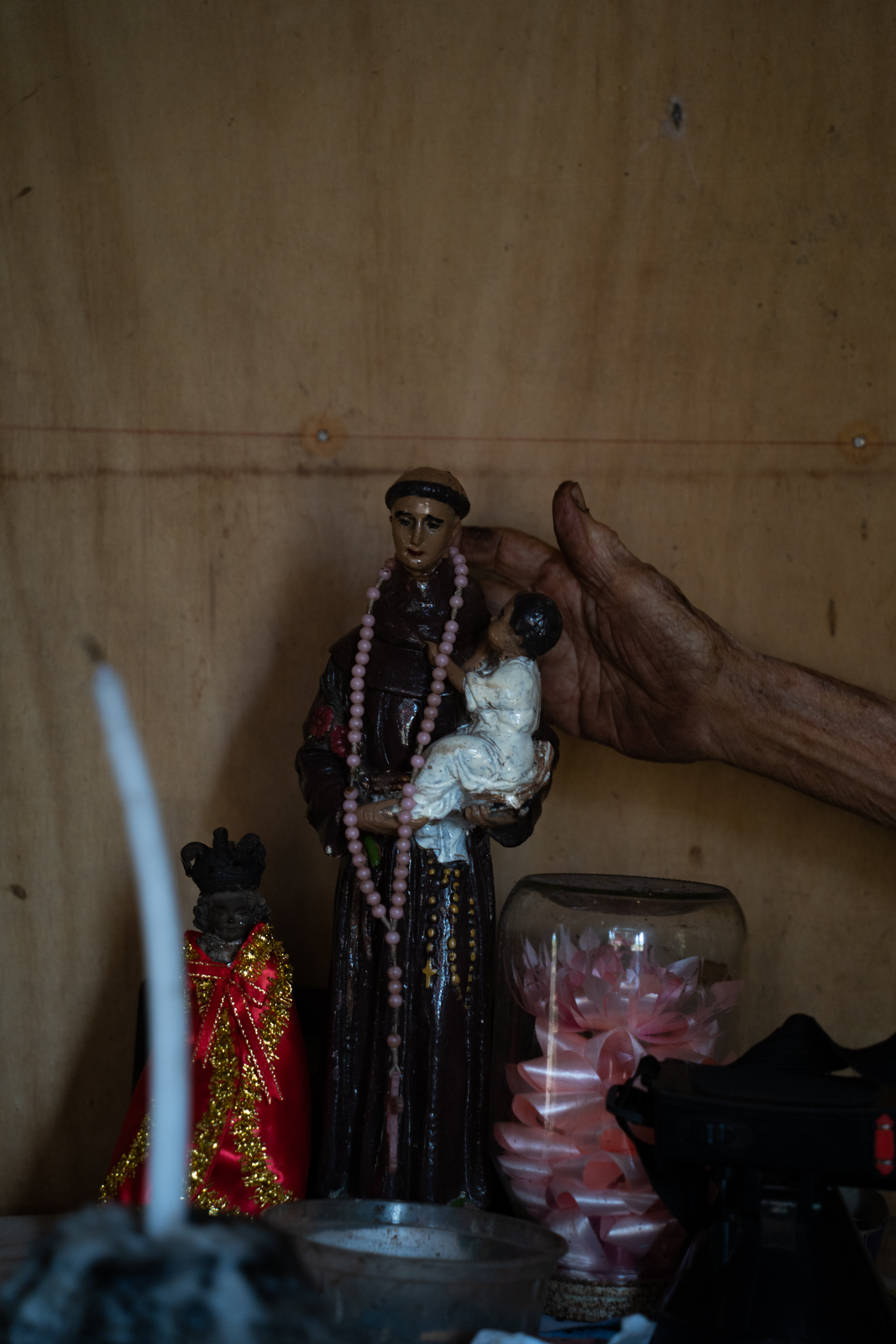
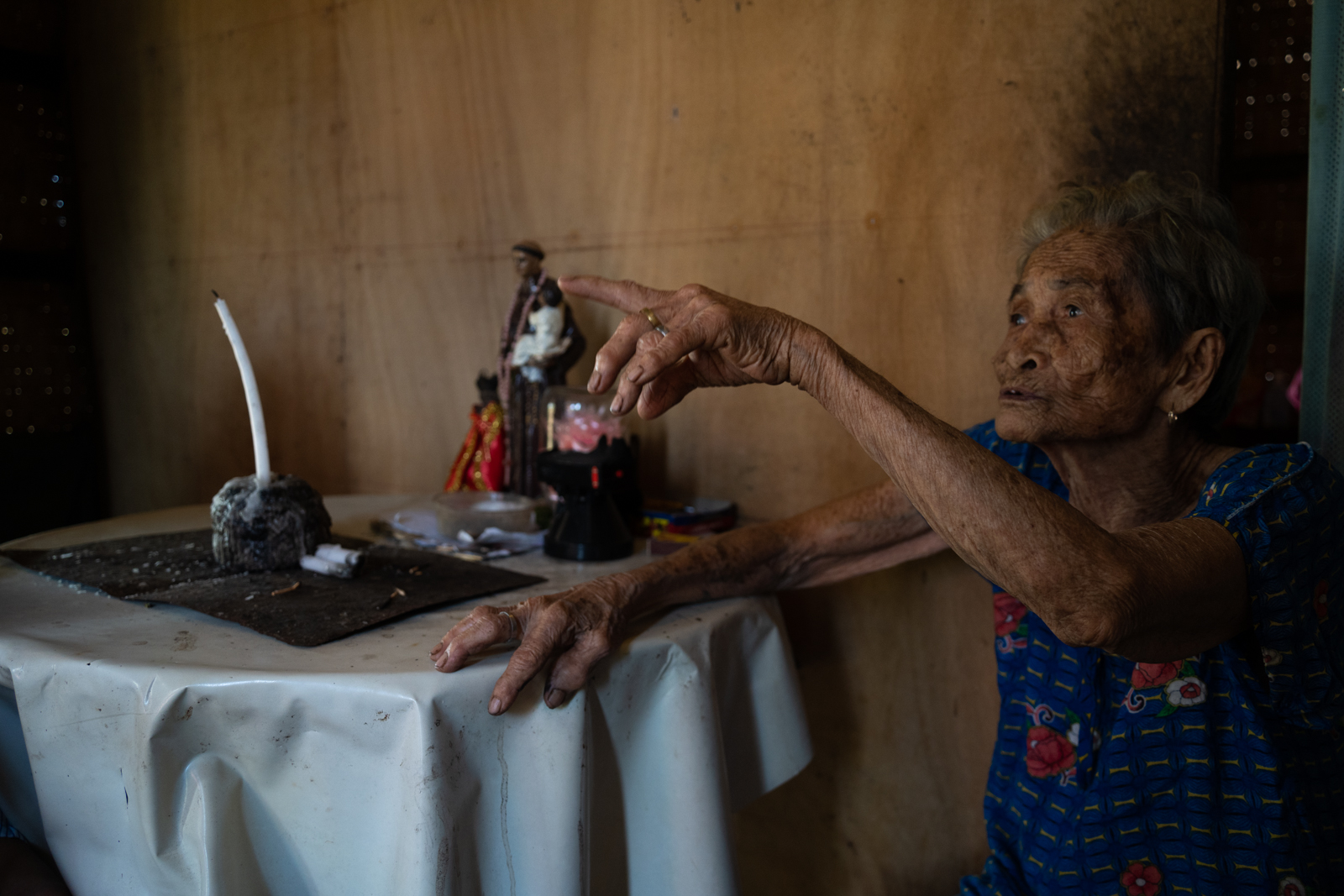
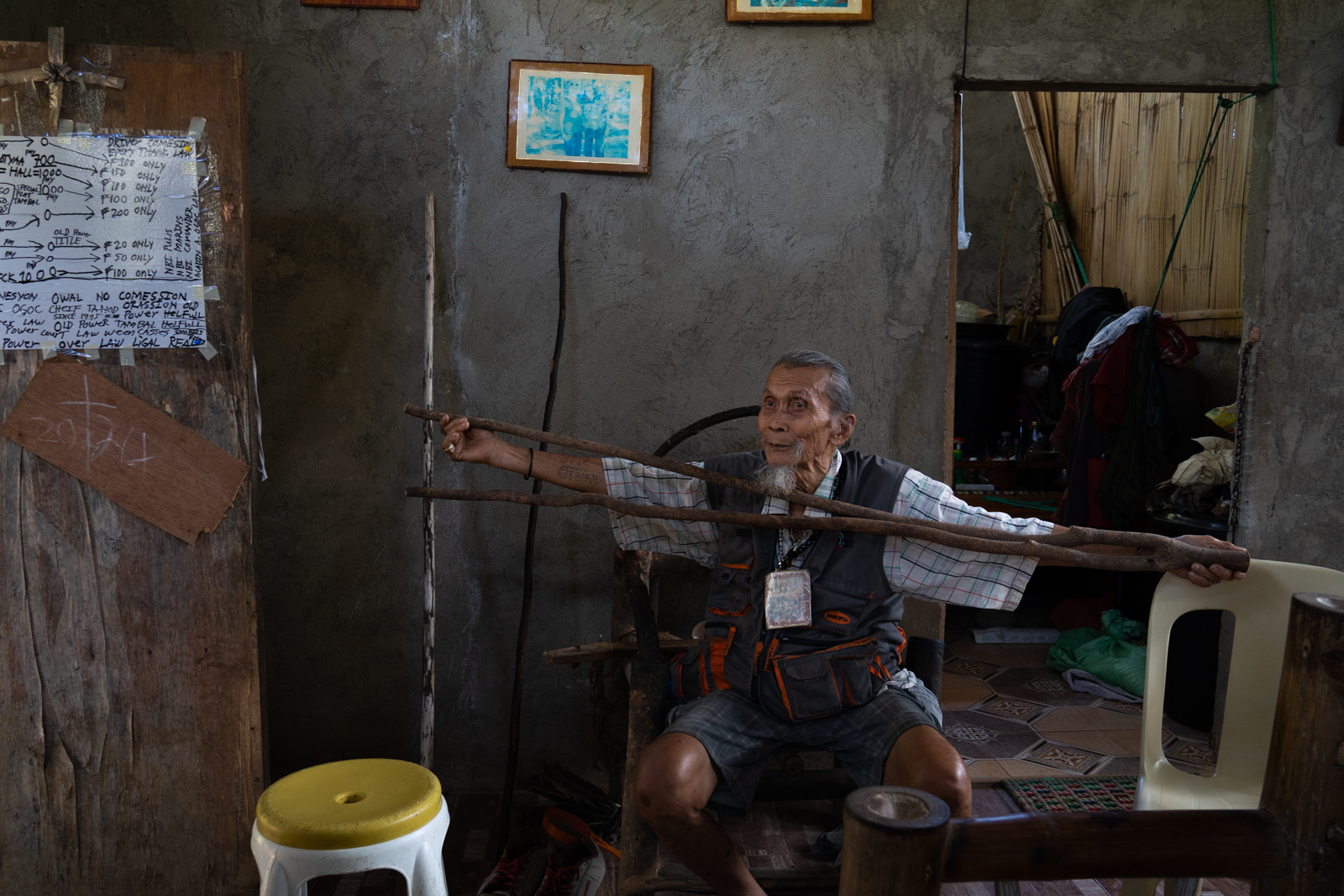
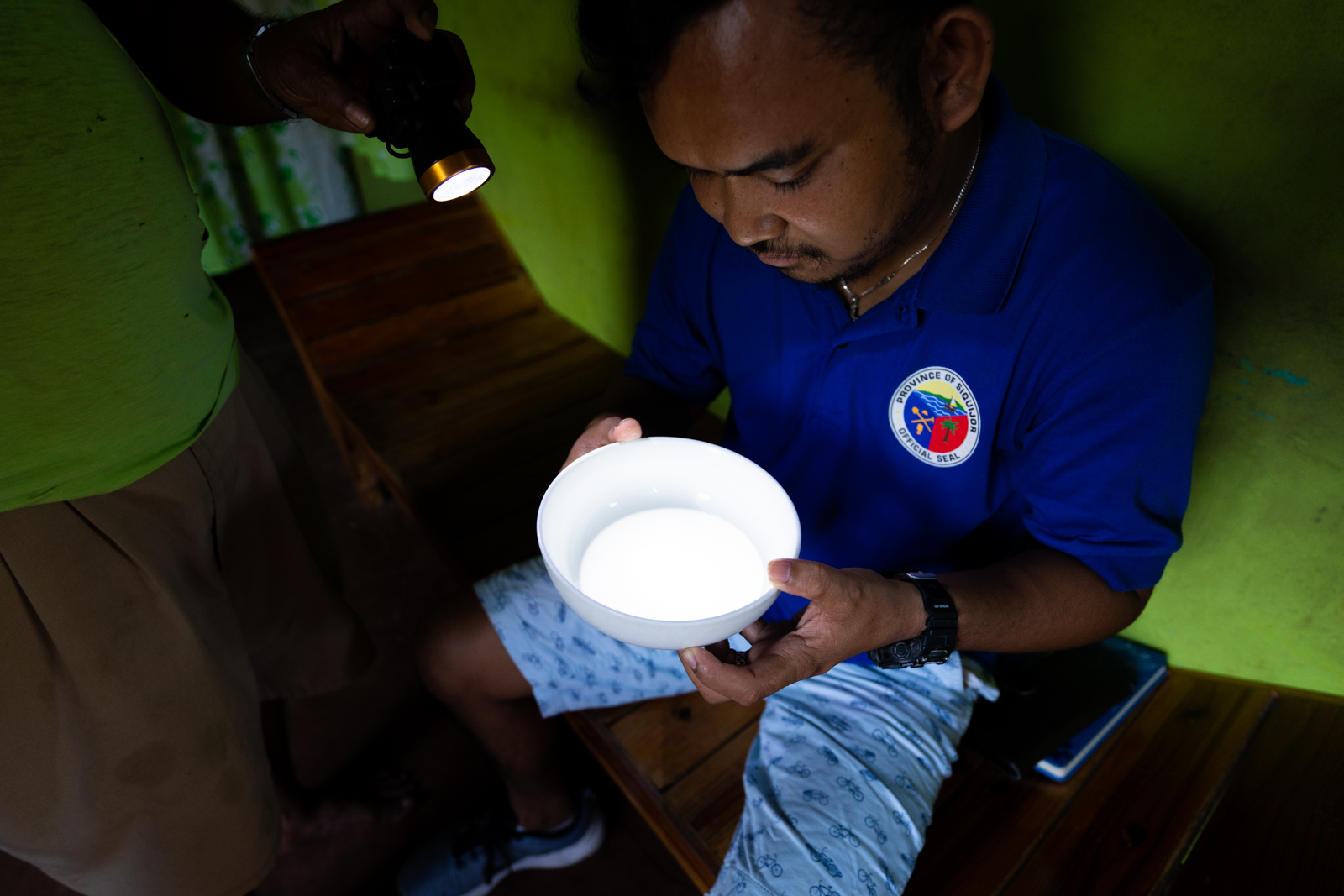
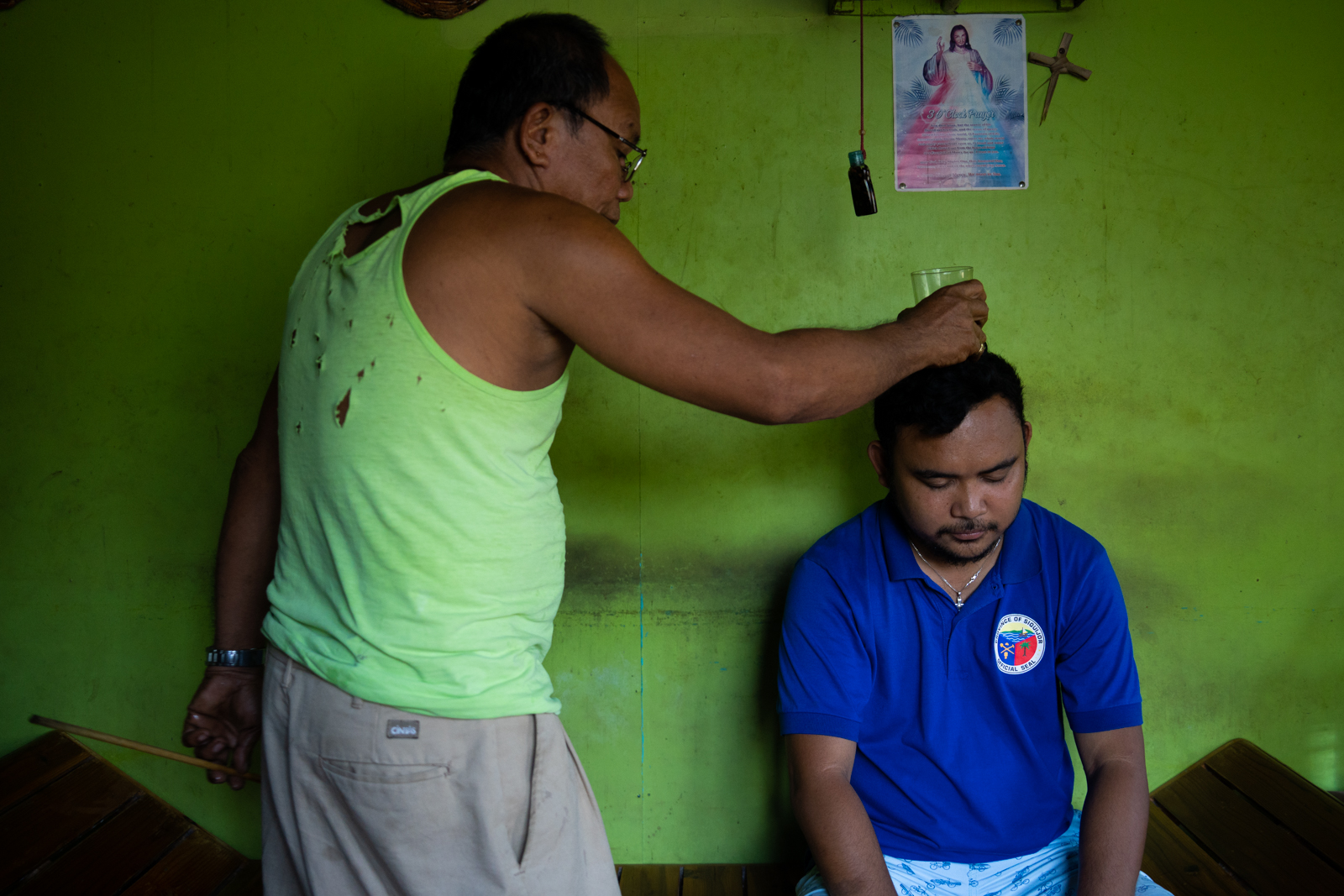
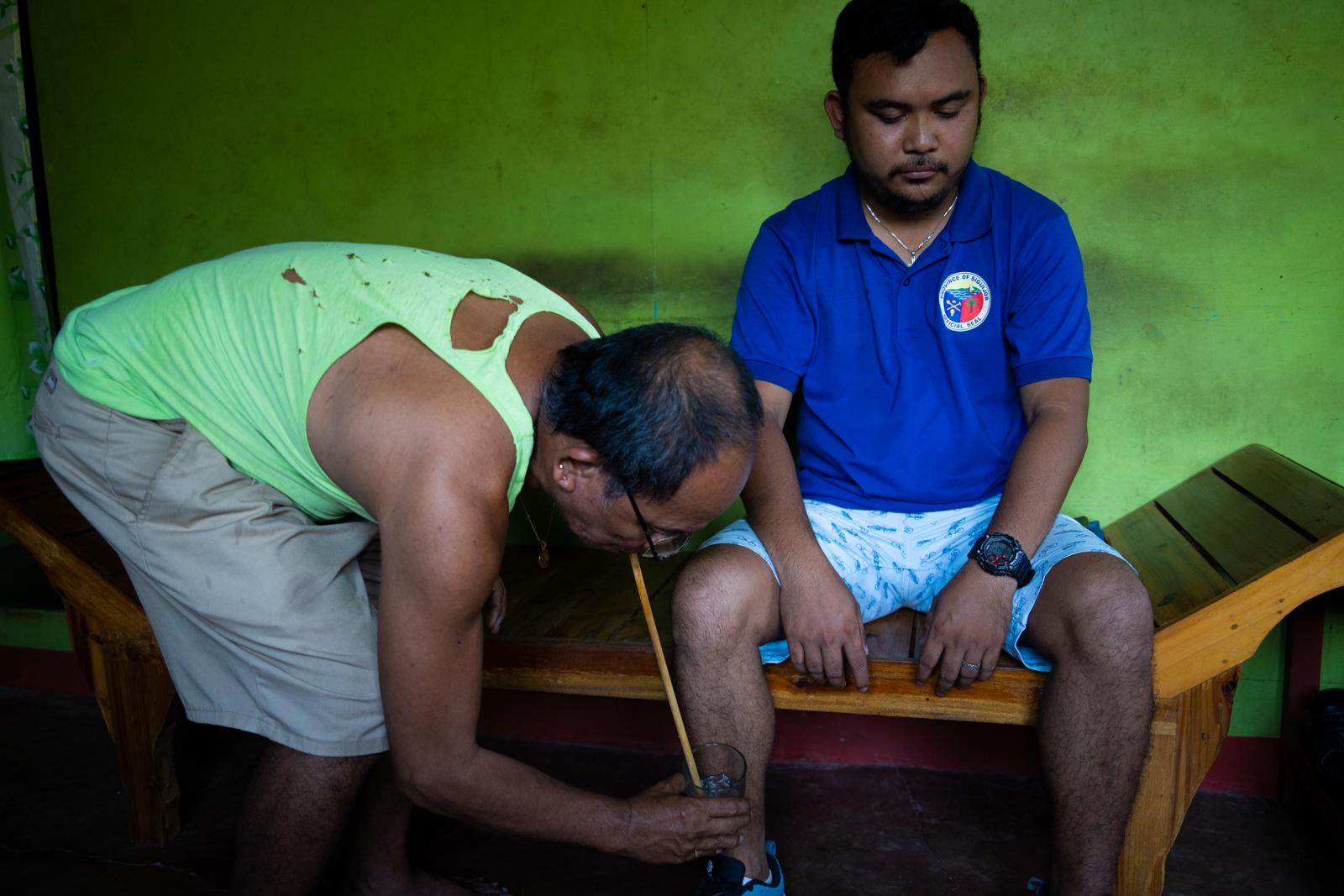
No two healers in Siquijor are alike; each practicing their own styles and methods. Nanay Andeng, for instance – has been in the scene for seven decades. In her younger years, she specialized in detoxification. Her commitment to traditional healing persists despite being past her prime, and to this day, she continues her work. She now lights candles and offers prayers to San Antonio de Padua to heal, a practice known as “Dagkot.” Then there’s Owal, who uses spiritual approach to cure, even those believed to be caused by demons. One of his distinct methods involves using a pat-pat (stick/branch) to diagnose ailments and discern their spiritual roots. He also shared that he acquired his healing abilities while he lived in the forests of Mindanao. Another fascinating healer is Loreto Quimno. His technique known as bolo-bolo is endemic to the island. It involves a jar of water, a bagacay (bamboo straw), and a rare stone. He uses these to draw out toxins by blowing around the sick person to gather buyag-buyag or bad spirits. The stone collects the bad energy into the water, dirty water then gets dumped and replaced with clean one, a repeating cycle until the water is clean which means the bad elements are gone. Traditional healers are historically also spiritual leaders. They don’t charge for their treatments as they believe that their ability to heal weakens their power, thus, relying on donations to sustain themselves.
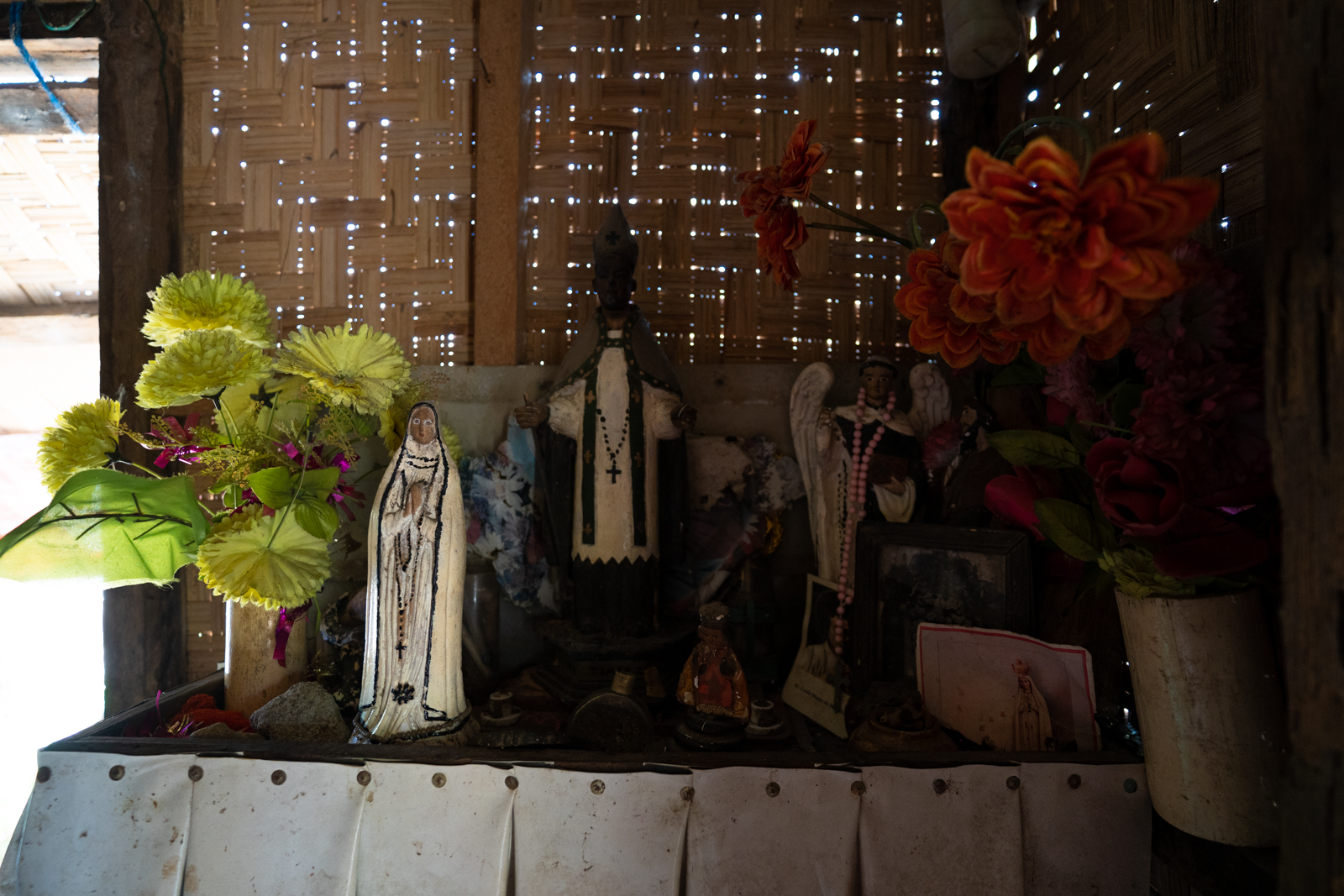
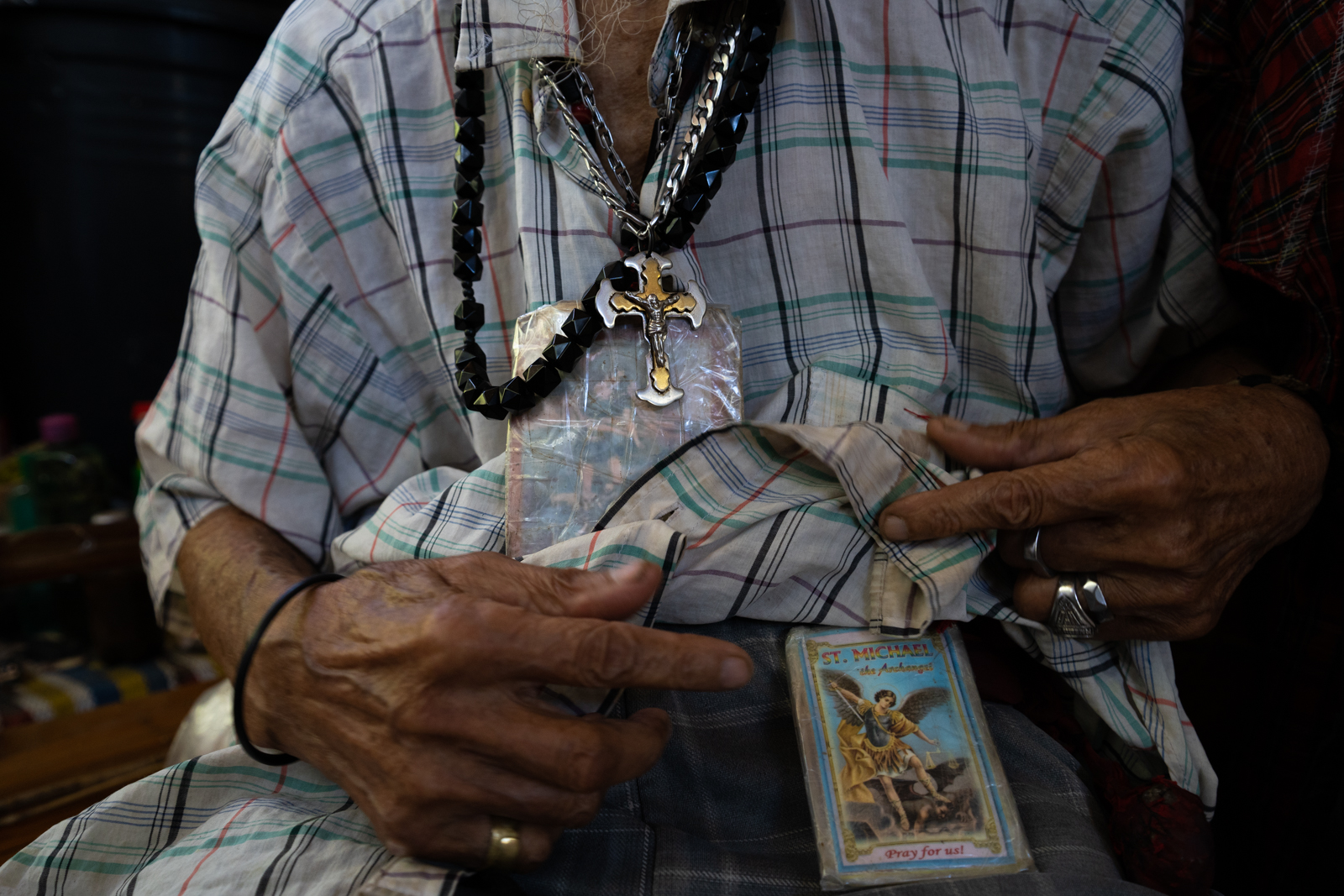
Traditional healing in Siquijor is shamanic in nature fused with Christian beliefs. Siquijodnons acknowledged spirits together with invisible beings and were so in tune with their surroundings that they approached the introduction of Christianity with caution. As time went on, these two beliefs began to merge which centers on the existence of higher power. Healers adopted icons and saints and blended their practice with prayers, faith, chants, rituals, oils, and concoctions.
Siquijor’s blend of natural beauty and mystical traditions offers a unique cultural experience. Healing has distinguished Siquijor within the archipelago and despite modern influences, the healers continue to attract attention to preserving the island’s magic.