

Kaingin has been traditionally employed by Tarlac farmers for subsistence farming. Given the Philippines’ diverse and often challenging landscapes, Indigenous communities and rural farmers have long tailored their agricultural practices to the demands of their environment. This method has been the subject of longstanding controversy in the Philippines as its extensive use and improper management have led to environmental concerns. Government officials view it as illegal and destructive, contributing to deforestation. However, indigenous communities and advocates argue that traditional Kaingin is a sustainable practice rooted in indigenous knowledge, vital for their subsistence. They also claim that the real culprits of deforestation are large agribusinesses and legal logging operations.
From the project Smoke Signals (2023-ongoing), as a symbolic representation of climate change. It explores the everyday realities of individuals who live in proximity to pervasive smoke. While our contribution to greenhouse emissions may be small, the Philippines bears the brunt of its impact more than any other. And despite this fact, communities are still compelled to engage in pollution-driven human activities due to their helplessness within larger oppressive social structures.
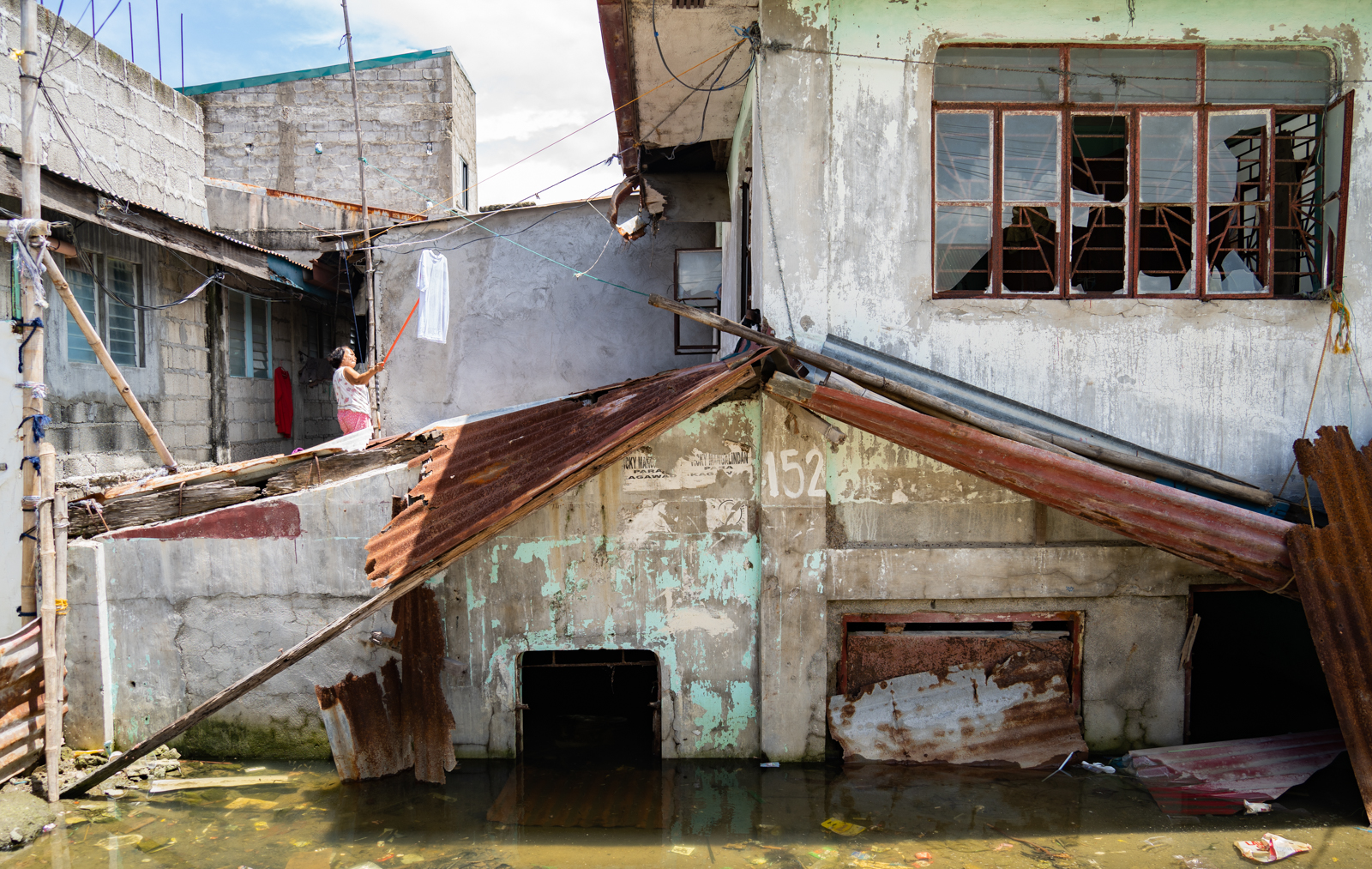
Subsidence in Pampanga is driven by a combination of natural and human factors such as Pinatubo’s continuous release of sediments and excessive groundwater extraction. According to the residents of Barangay Batang Dos in Sasmuan, every year, the water keeps rising, and the ground keeps sinking— like the size of a matchstick. It continues to impact local communities leading to sinking land, flooding, and sadly, displacement.
From an ongoing project The People from the Riverbanks (which is a literal translation of the word Kapampangan). Roughly a quarter of Pampanga’s map is projected to sink by 2050 due to frequent flooding, rising sea levels, and land subsidence. The project hopes to fuse scientific methods and Indigenous knowledge to mitigate this issue through the Mangrove Conservation Program of Sasmuan Pampanga Coastal Wetlands centered on solution-based storytelling.

After working for so many years as a seafarer, I finally retired my sea legs and sought ways to reconnect with home. I began a personal project documenting Ryeler Viv, my first nephew, to capture the magic of ordinary things in my growing family. He was an embodiment of his mom’s name and what he brought to our family, joy. Early this year, he was diagnosed with Autism. In the photo, despite Joy’s exhaustion, she allows Ryeler to play with his bubble machine and self-regulate before bed. He has been experiencing episodes of difficulty settling in bed and often has trouble waking up in the morning.

Verni prepares for work in his cramped, shared cabin. He works as a youth staff on board Royal Caribbean’s Ovation of the Seas. In the middle of his contract, he contracted chickenpox while aboard the ship. He endured a 14-day isolation period in his tiny cabin, devoid of sunlight and fresh air, which posed challenges to his well-being.
Sea Sick (2024) is a story that portrays the unspoken lived experiences of seafarers, focusing on the mental health challenges they face during extended periods of working on cruise ships. It is a personal project by the photographer, his refracted projections to his roommate, Verni, their curiosities and struggles, and the many unfolding layers of life on board.
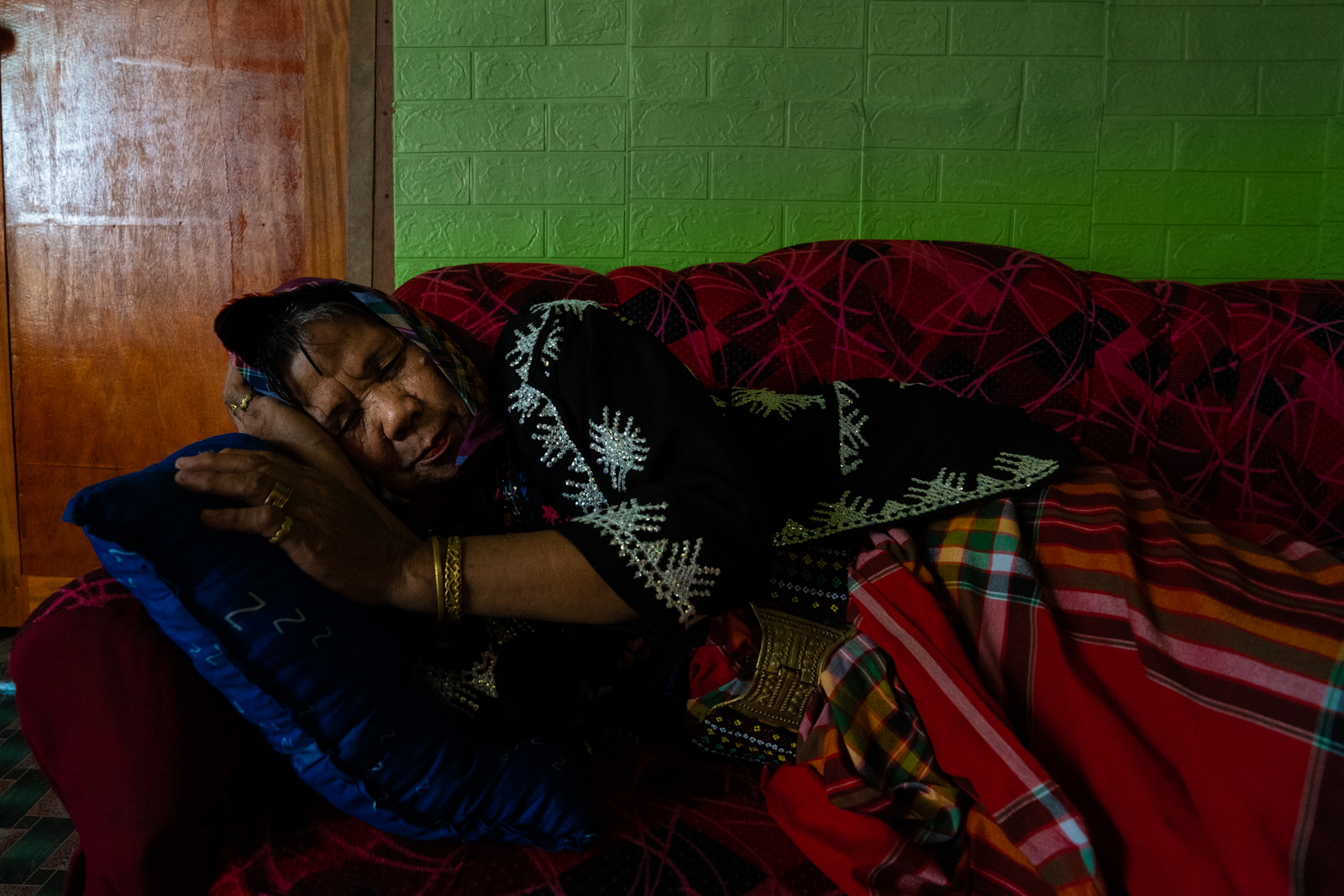
In T’boli culture, it is believed that the patterns of the T’nalak fabric are gifted to select women in their dreams by Fu Dalu, the goddess of Abacá. Guided by their ancestors, the few, chosen dream weavers translate their visions into patterns and then skillfully weave them into fabrics. Sebulan Dulay is one of the current masters of dream weaving among the T’boli tribe of South Cotabato. While she leads the process, she acknowledges that T’nalak weaving is a collective community effort, regarded as a spiritual offering to the goddess.
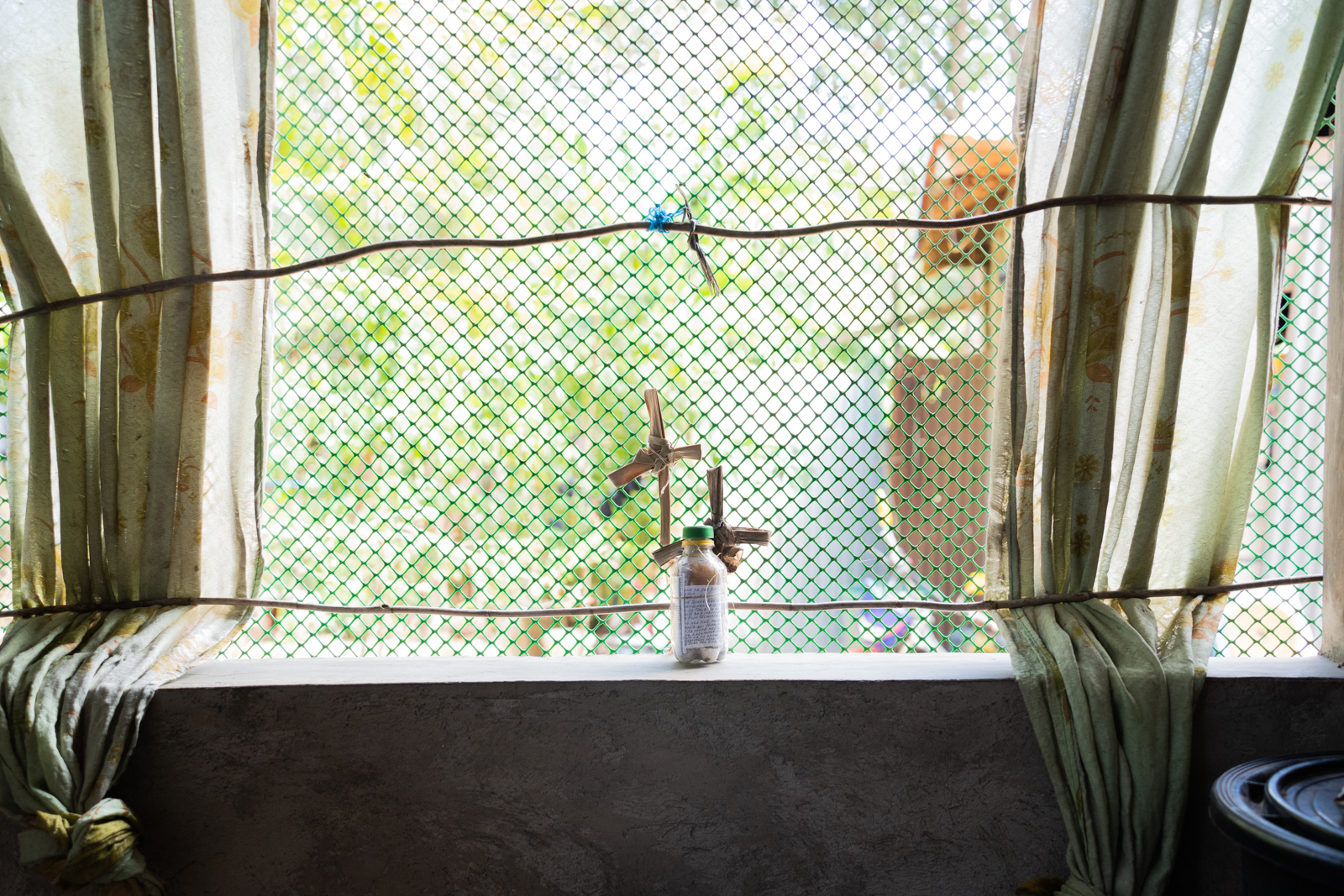
Owal’s window, a spiritual healer in Siquijor, displays a cross made from palm fronds and a bottle containing prayers, chants, and various elements gathered around the island as a protection against bad spirits and sickness. Siquijor, known for its mystical reputation combines shamanic practices with Catholic faith as a method of traditional healing. The abundance of curative vegetation is the reason why folk healing has been vital to island life for centuries. Siquijodnons acknowledged spirits and were so in tune with their surroundings that they approached the introduction of Christianity with caution. As time went on, these two beliefs began to merge which centers on the existence of higher power. Healers adopted icons and saints and blended their practice with prayers, faith, chants, rituals, oils, and concoctions.

From the eruption of Pinatubo in the past, the Yangil Tribe, an Aeta community in Zambales has been putting tremendous effort into reforesting their mountains, breathing back life into their ancestral lands. Their community-based conservation has transformed the once-scarred landscape into a sanctuary and placing trees at the heart of their community. As a result of these efforts, the community is thriving and, in turn, nurturing its children, where their laughter now echoes through the mountains of Zambales. The kids now revel in their natural playgrounds, climbing trees, and exploring new trails.
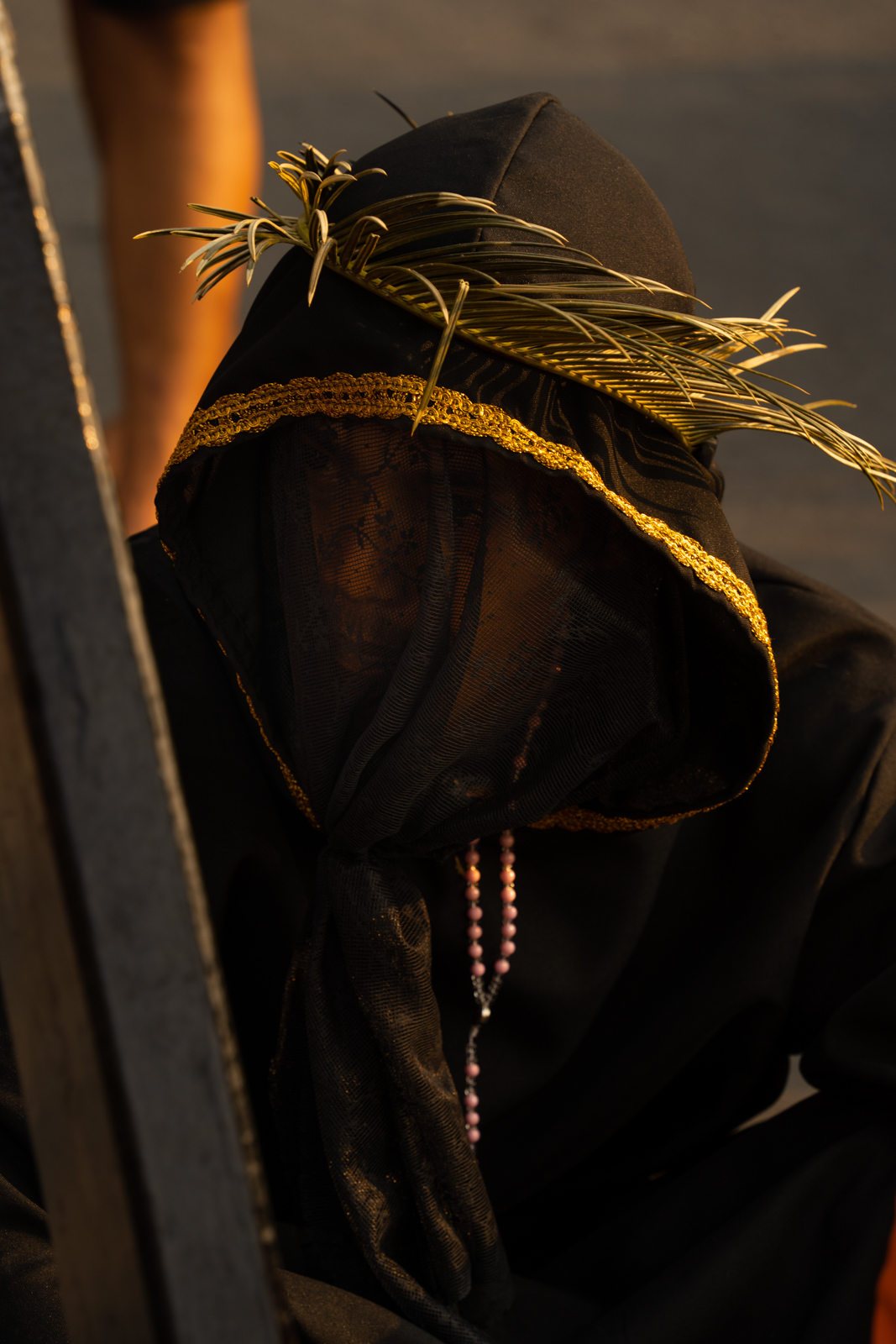
A Magdarame (penitent) remains anonymous by covering his face with a black hood adorned with crowns of vines or branches. One type of magdarame, known as the cross-bearer or Mamusan Kurus in Mabalacat City, carries a heavy wooden cross made from commercial lumber or old electric posts.
As Holy Monday approaches, the solemn observance of Lent begins in Pampanga. The sound of weeklong chants from makeshift chapels called “Puni” fills the air. For those who grew up in this province, it is a familiar sight to witness devotees bearing crosses as they walk through the streets and main thoroughfares of the province. Devotees engage in such acts as a form of Panata (to fulfill a vow), to atone for their sins and a spiritual renewal.
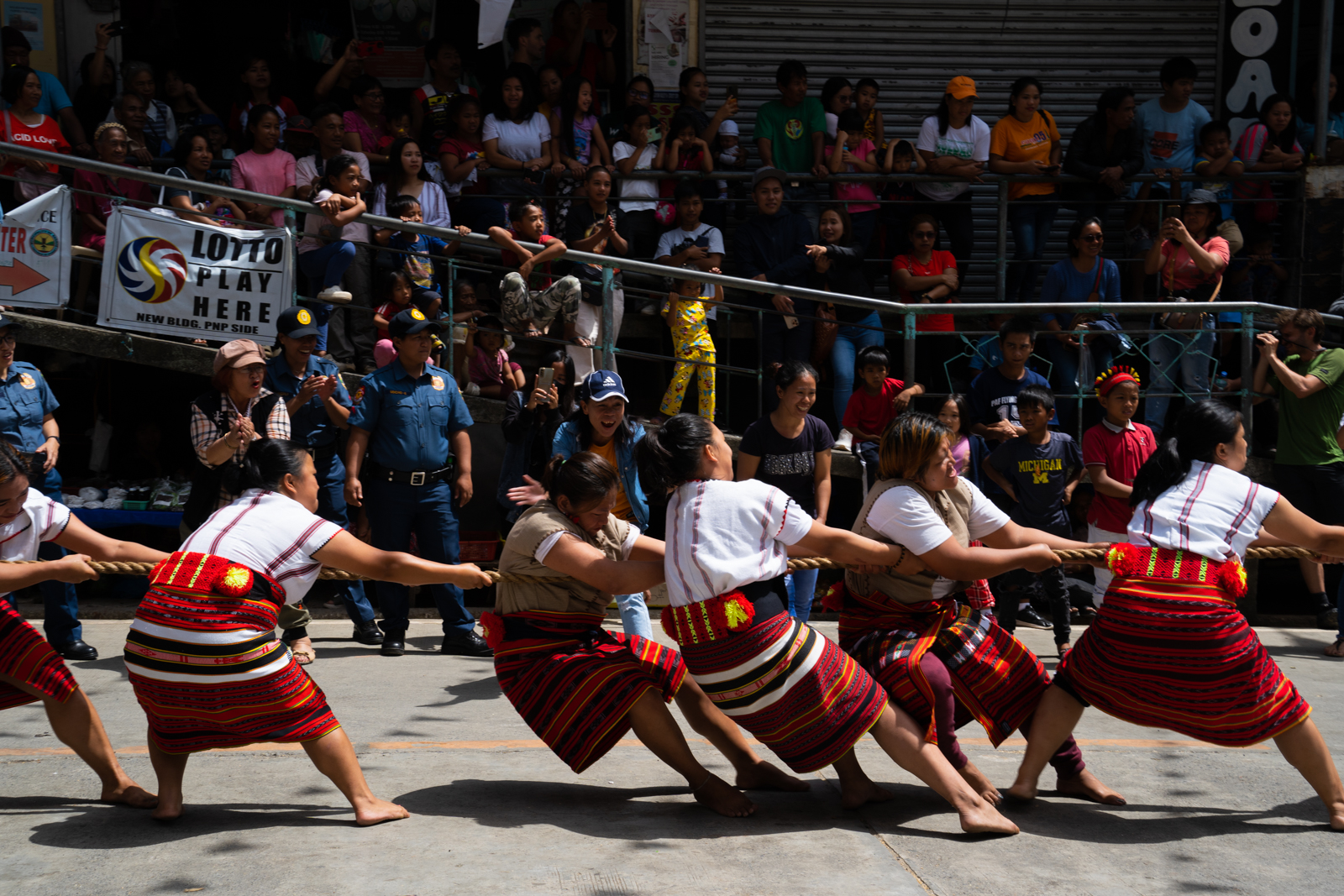
The tug-of-war competition featuring Ifugao women during the Imbayah Festival which is only celebrated only once every three years. Rooted in agricultural practices and community spirit, the festival features a colorful display of traditional dances, music, and rituals that honor the rice harvest and the ancestors. During the event, locals don traditional attire, participate in various competitions, and showcase their craftsmanship, emphasizing the importance of preserving their cultural identity.

The women of Uros share a glimpse into their daily lives. The mundane tasks we take for granted at home like cooking presents a challenge for them as they navigate life on floating, man-made islands constructed from reeds. While Peru is famous for its weaving, embroidery is the more common textile practice in their village. They make tapestries about Pachamama (Mother Earth) and other Peruvian legends, symbols, and stories. Aside from crafts and tourism, they sustain themselves through fishing and reed harvesting, which serve as both their home and their lifeline.

Top view of the Tilapia Farms in Lake Sebu, South Cotabato. The lake provides sustenance through fishing and irrigation, supporting local livelihoods and fostering a deep connection to the land. It also serves as a home to the vibrant lotuses that only unfurl at dawn, drawing the attention of many tourists.
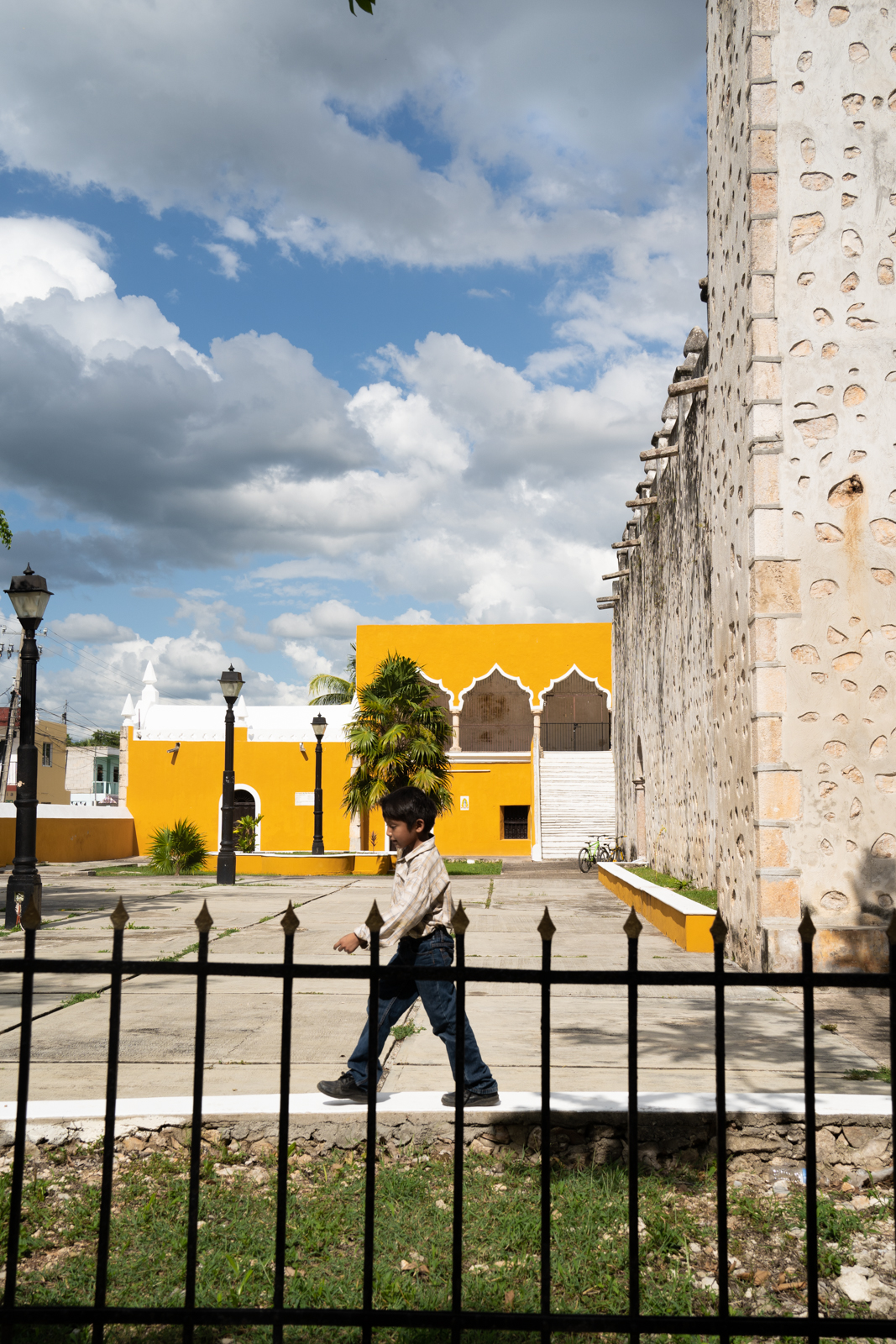
A child playing inside the vicinity of St. John Catholic Church in Valladolid. A street photography series exploring the Pueblos Magicos of Mexico.

A rugged desert cliff meets the ocean, on a cold August breeze at Paracas National Park in Peru.