
Smoke Signals
2023 - ongoingWhat truths does each day hold,
for those who dwell where smoke unfolds?
In close proximity, how do they fare,
Amidst veils of haze, what burdens do they bear?

Kaingin has been traditionally employed by communities for subsistence farming. Its extensive use and improper management have led to environmental concerns.

One of the primary contributors to pollution in Manila stems from vehicle emissions.

Waste burning is a common practice in Filipino households especially in areas without proper waste management systems.

In the slums of Catmon, a community earns its living from the charcoal industry. Families for generations have lived in these conditions transforming scraps into charcoal from makeshift earth pits.

Manila’s skyline is consistently veiled by haze.

Even with existing policies regarding burning, it remains common in both rural and urban areas.

In Valenzuela City, inhabitants attribute pungent odors and respiratory ailments to melted plastics from recycling factories.
“In the year’s onset, our lands burn, and once it ceases,
the typhoon season follows- a repeating tale, a cycle that knows no end.”
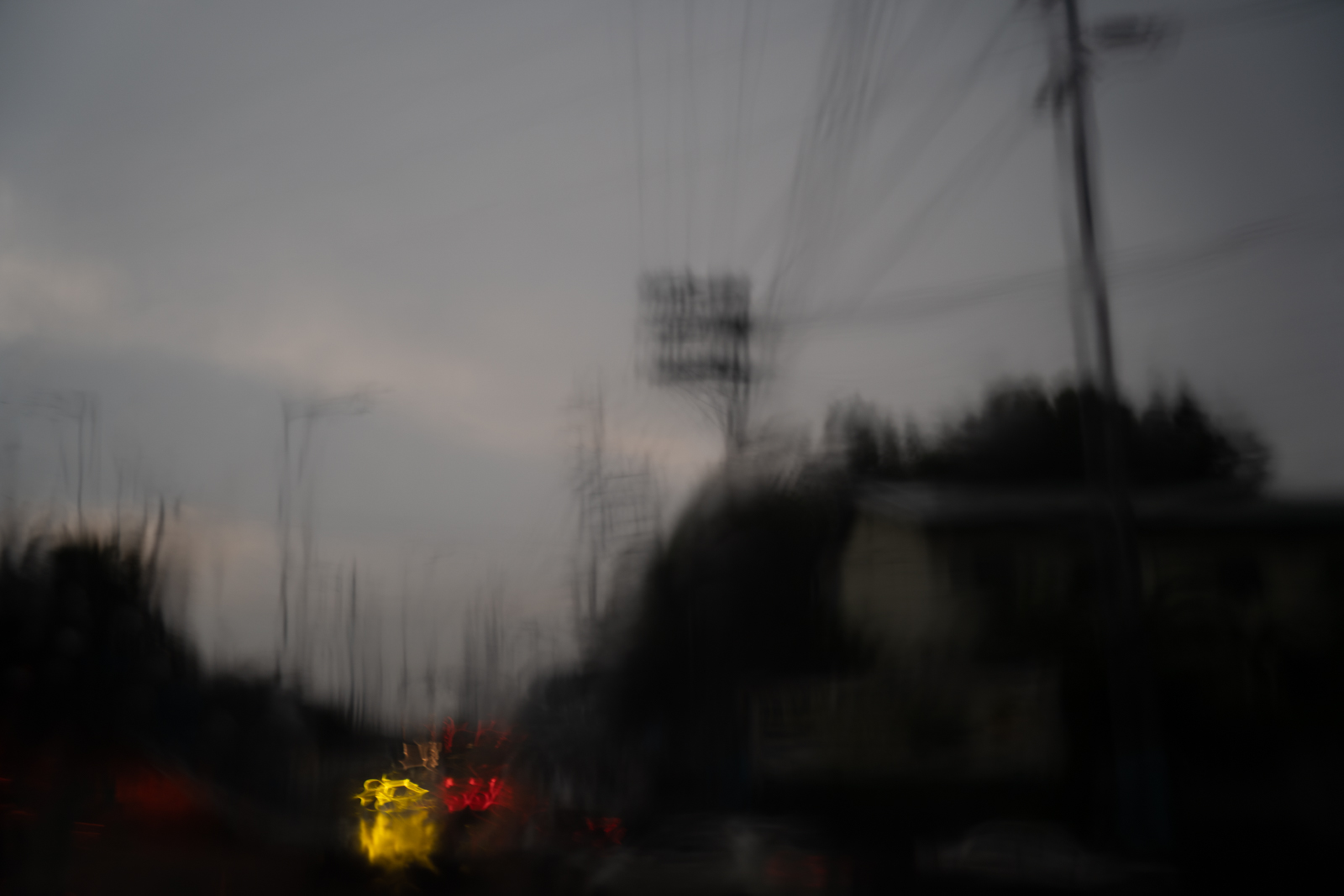
Each year, the intensity and frequency of typhoons are escalating.
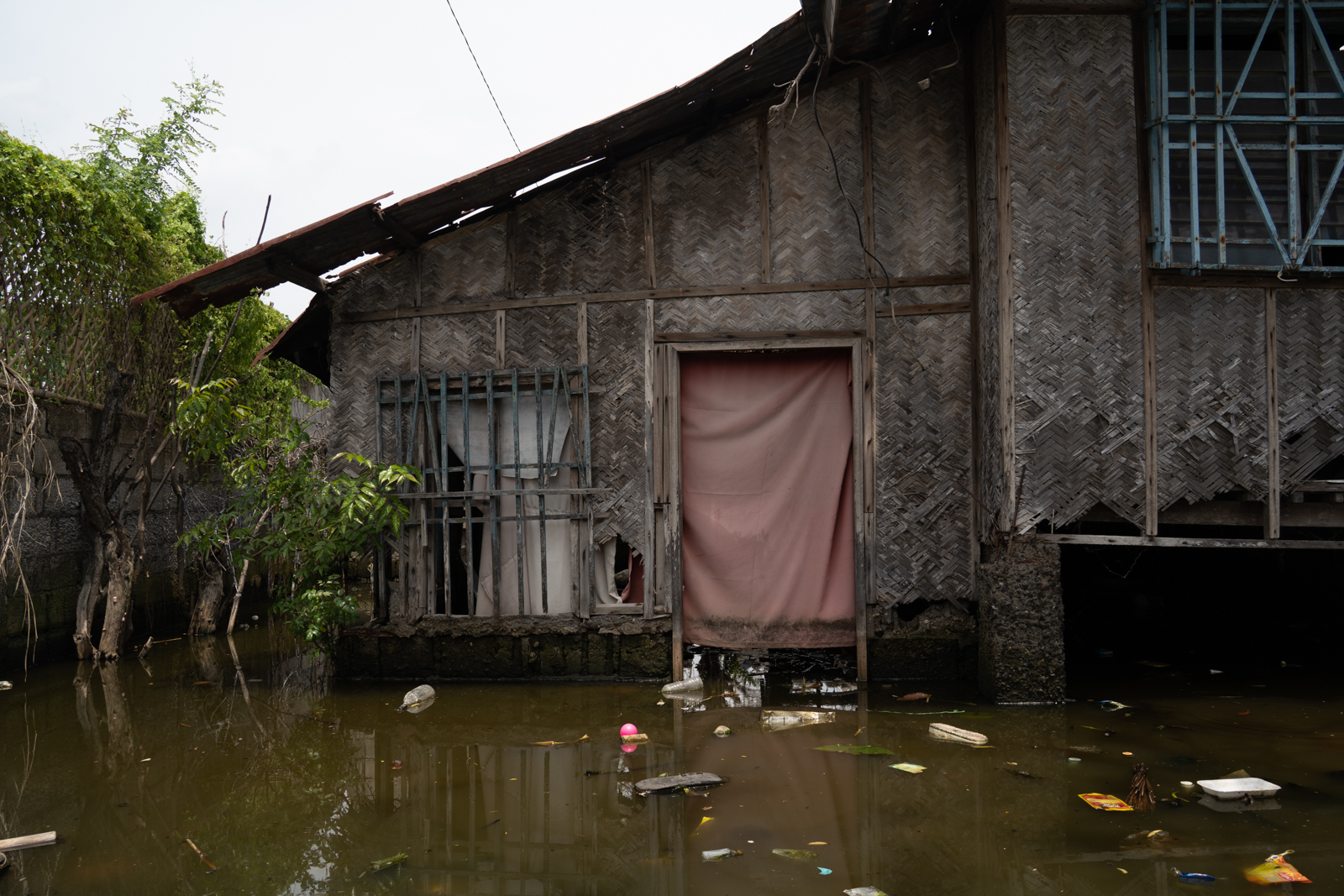
Homes are being deserted as water levels continue to rise.
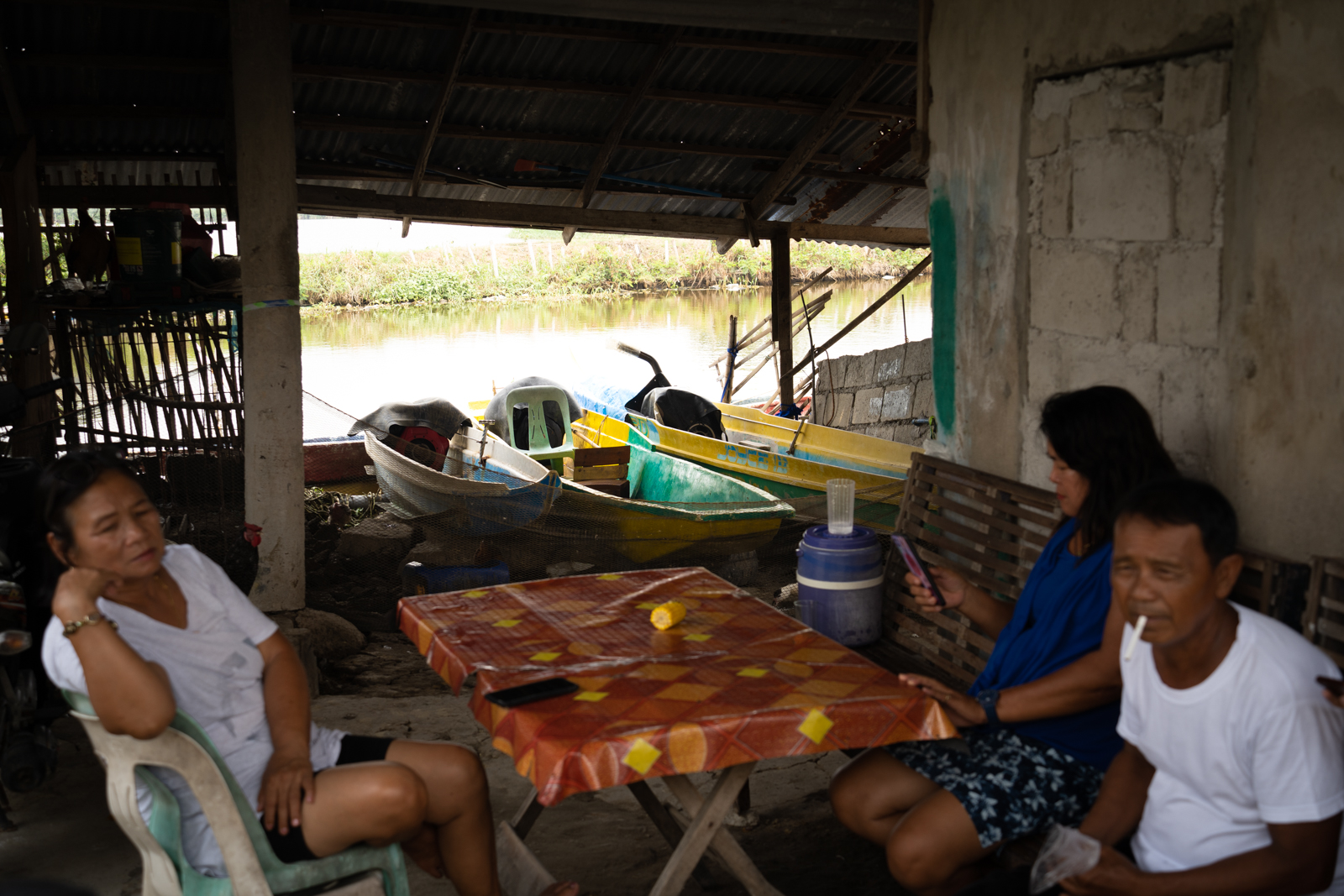
In rural areas of Pampanga, the rising water levels have made small boats the preferred mode of transportation over motorcycles.
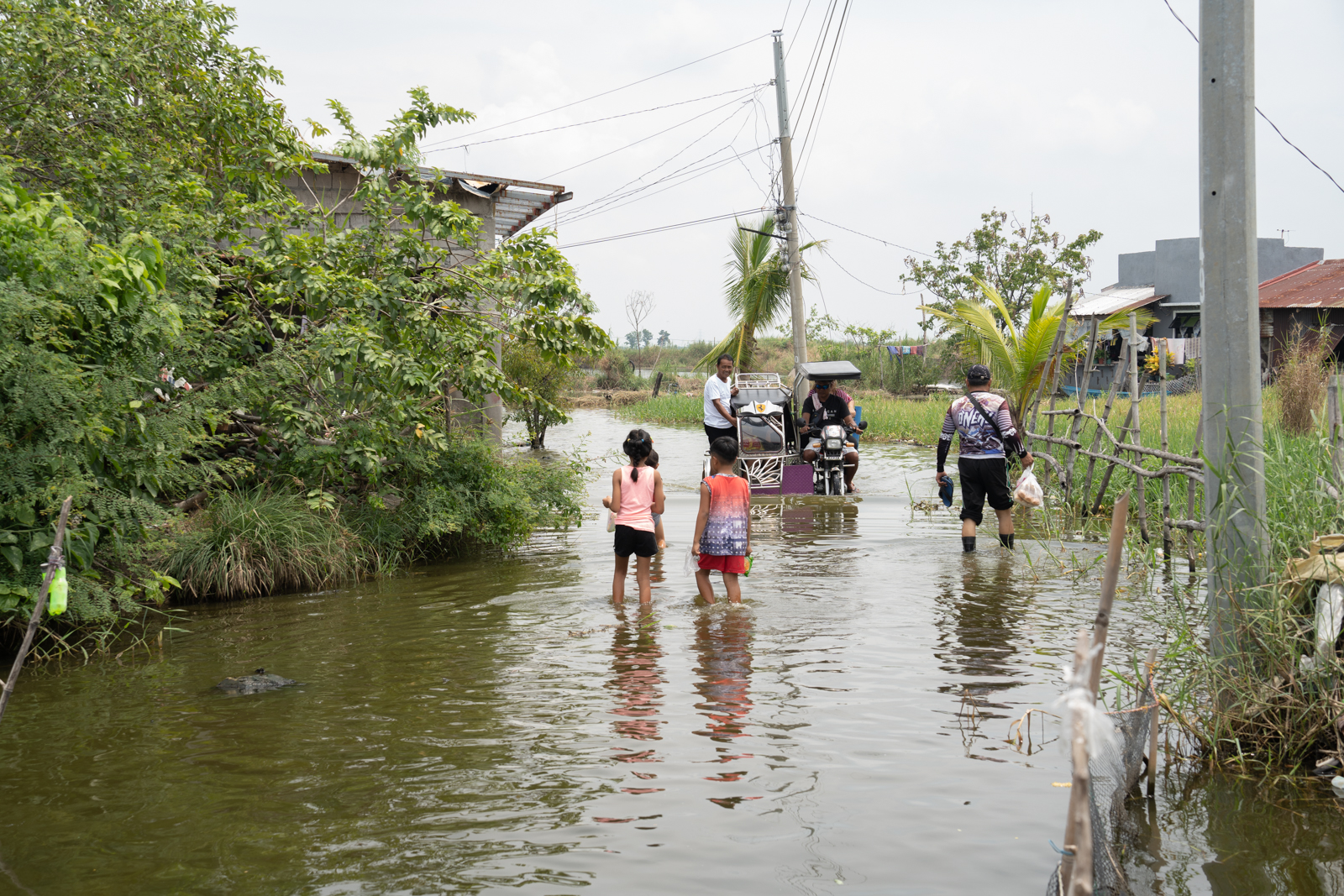
People adapt to the circumstances presented by the ongoing climate crisis.
Smoke Signals
2023 - ongoingSmoke Signals delves into the everyday realities of individuals who live in close proximity to pervasive smoke, documenting its profound impact on their health, well-being, and the immediate and enduring consequences they face as a result of this environmental hazard.
In a broader context, the rapid effects of smoke offer a symbolic representation of climate change. Much like the impact of smoke on air quality and visibility, climate change manifests in rapid alterations to global weather patterns, ecosystems, and human societies. The visible and tangible consequences of smoke, such as respiratory issues and environmental degradation, mirror the observable impacts of climate change, including extreme weather events, rising sea levels, and biodiversity loss.
The Philippines is one of the countries most vulnerable to the impacts of climate change due to its geography, exposure to natural hazards, and challenges in disaster response. Each year, the heat index climbs to a new record high, and over the wet season, there has been a concerning escalation in both the frequency and intensity of typhoons.
This positions the country at the forefront of climate change discourse, as it serves as a compelling representation of both the ongoing and immediate manifestation of its impacts and its heightened vulnerability to its long-term consequences.
While our contribution to greenhouse emissions may be small, we bear the brunt of its impact more than any other. And despite all these, communities are still compelled to engage in pollution-driven human activities due to their helplessness within larger oppressive social structures.