
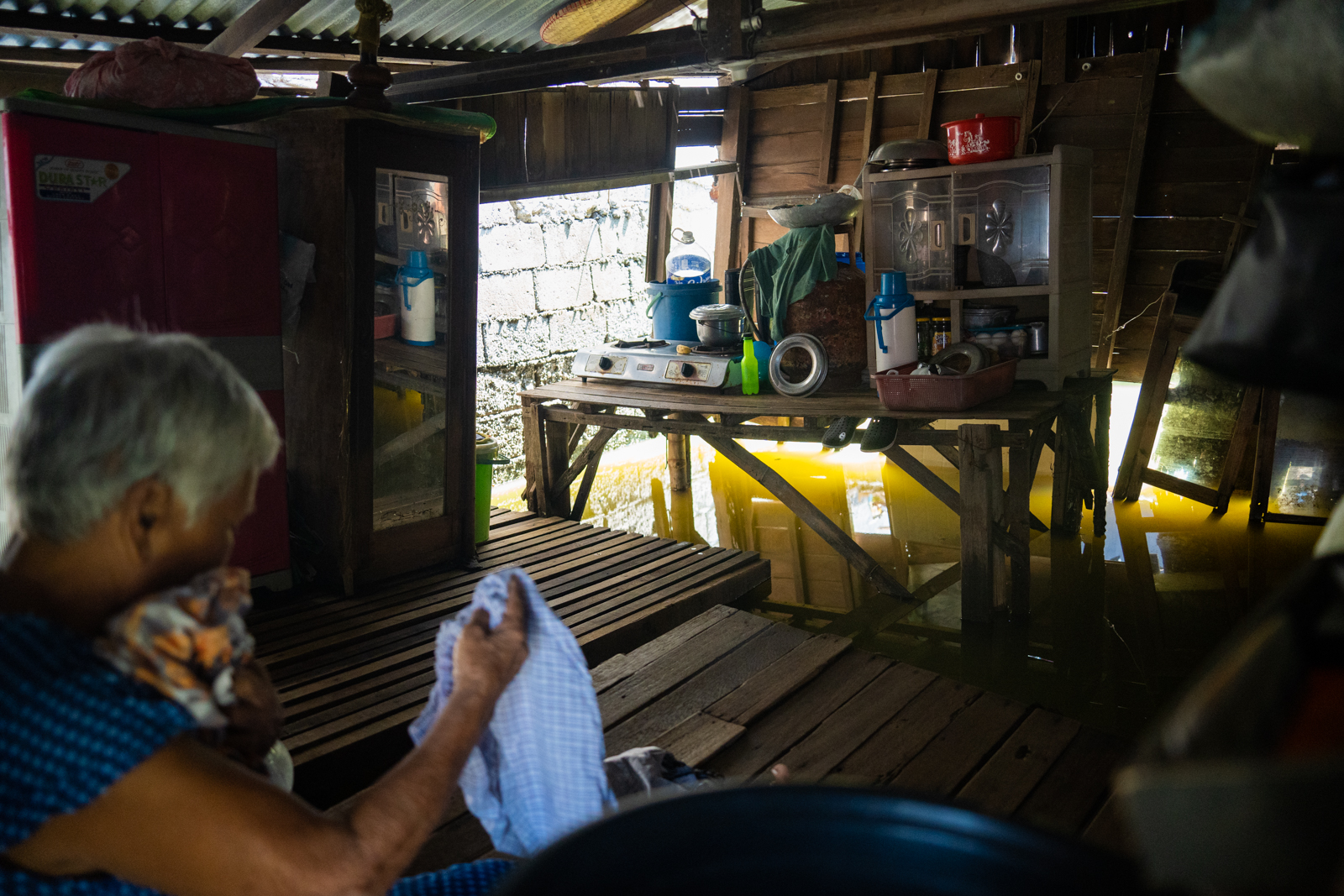
“Tatakut na kung matudtud potang ugtu, kabira kabud na tatas ing danum. (I’m scared to nap in the afternoon, because I don’t know if the water will mysteriously rise again).
Apung Zenaida has adapted her living conditions to frequent flooding. When the water rises, she moves to her son’s house where the ground is more elevated.
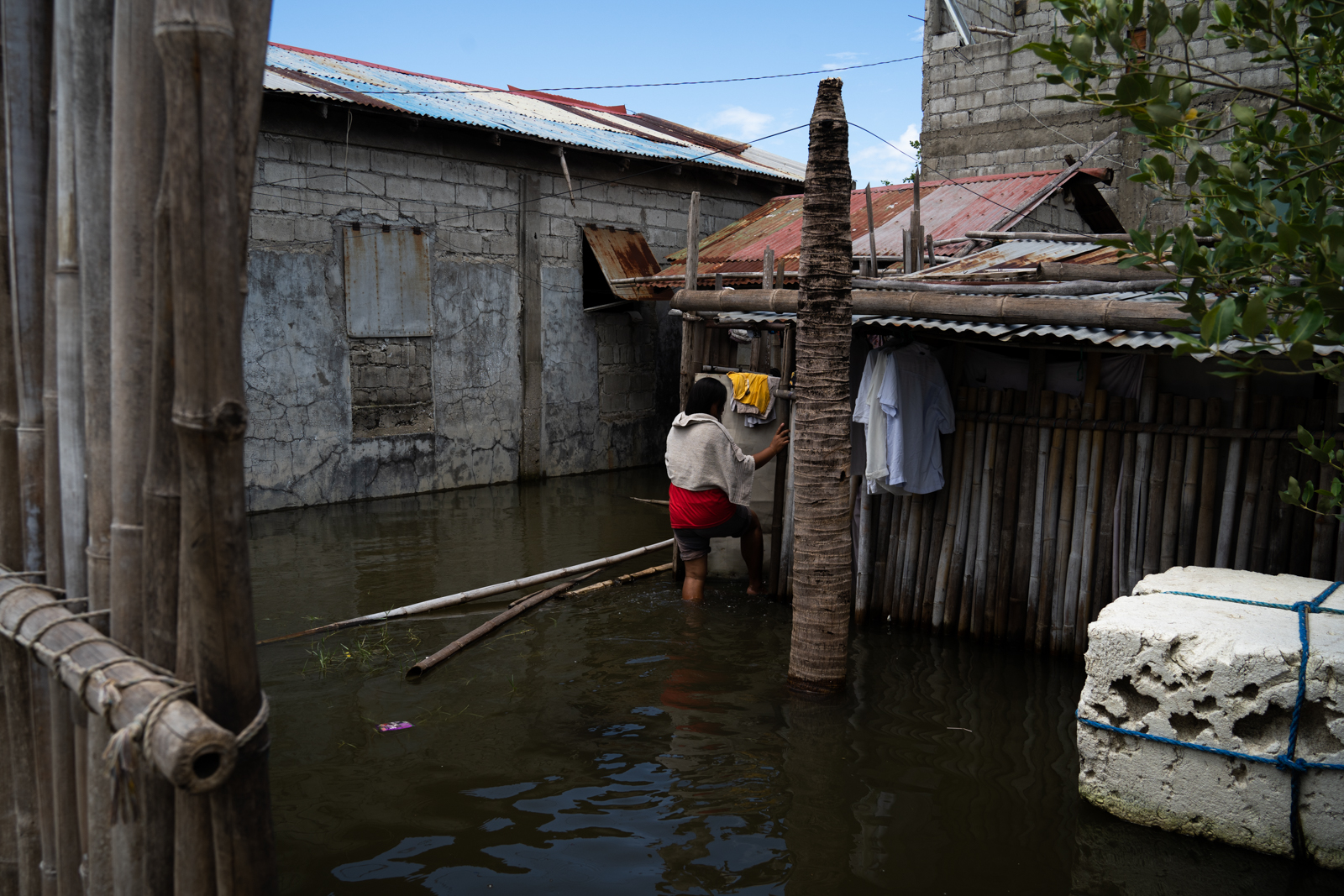
Makanini keni lagi, otchung bulan makalumbug kami. Kayi bawat banua, tatas danum, bababa ing gabun, sabyan da metung kasapegu (It’s always like this here, 8 months, we are submerged in flood. Every year, the water keeps rising, the ground keeps sinking— like the size of a matchstick).
In many households in Batang Dos, Sasmuan, including Bapang Rodolfo’s household, residents retreat indoors by noon, as rising water levels during this time make access to and from their homes increasingly difficult.
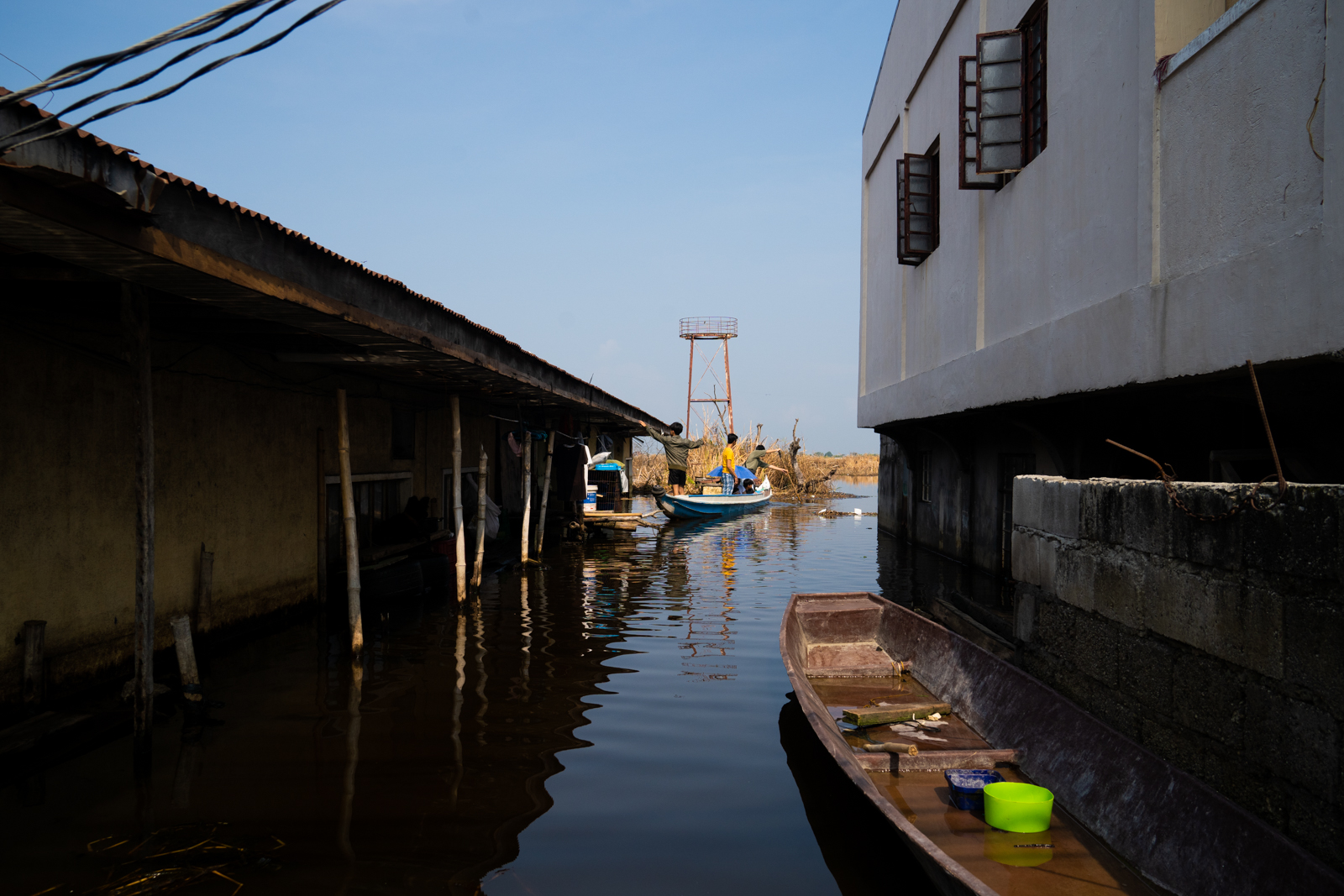
In low-lying areas of Pampanga, the rising water levels have made small boats the preferred mode of transportation over ground transportations.
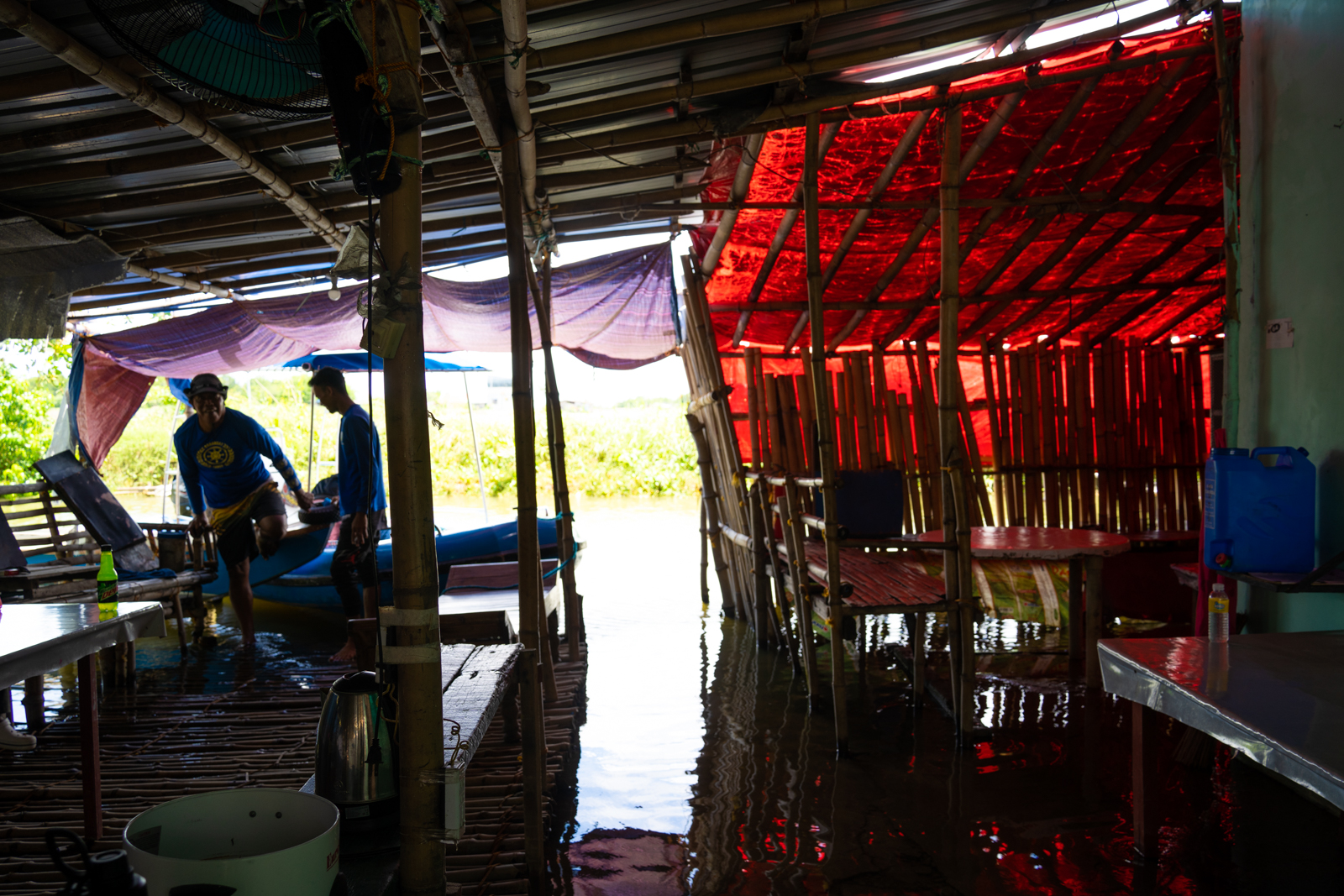
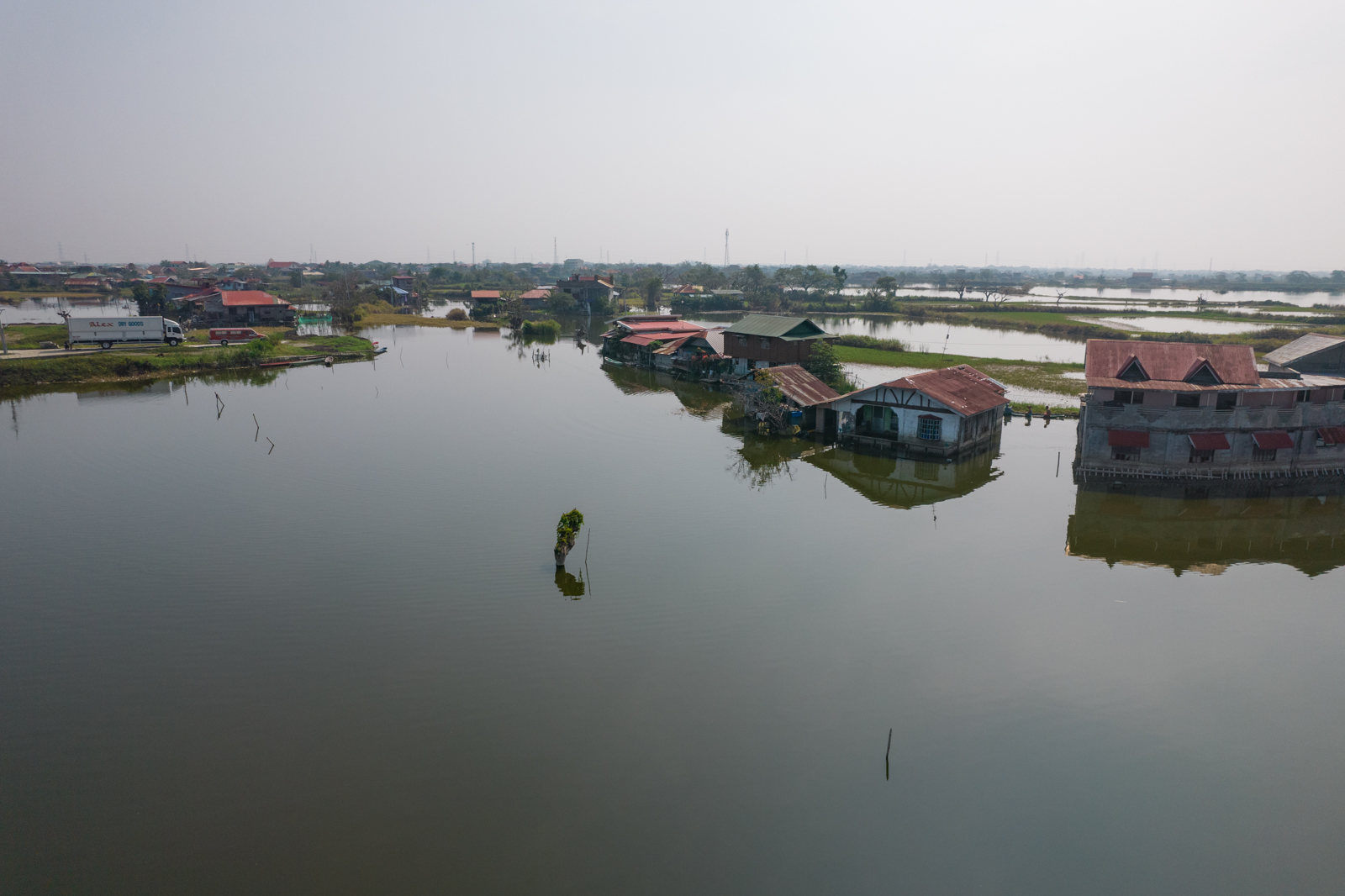
The increasing water levels have dramatically altered daily life, with the persistent flooding transforming the landscape. The continuous rise of floodwaters has made many roads impassable, forcing communities to adapt by navigating through the submerged areas on boats. In Batang Dos, Sasmuan, there are no ground vehicles at all as the most practical means of transportations are small boats.
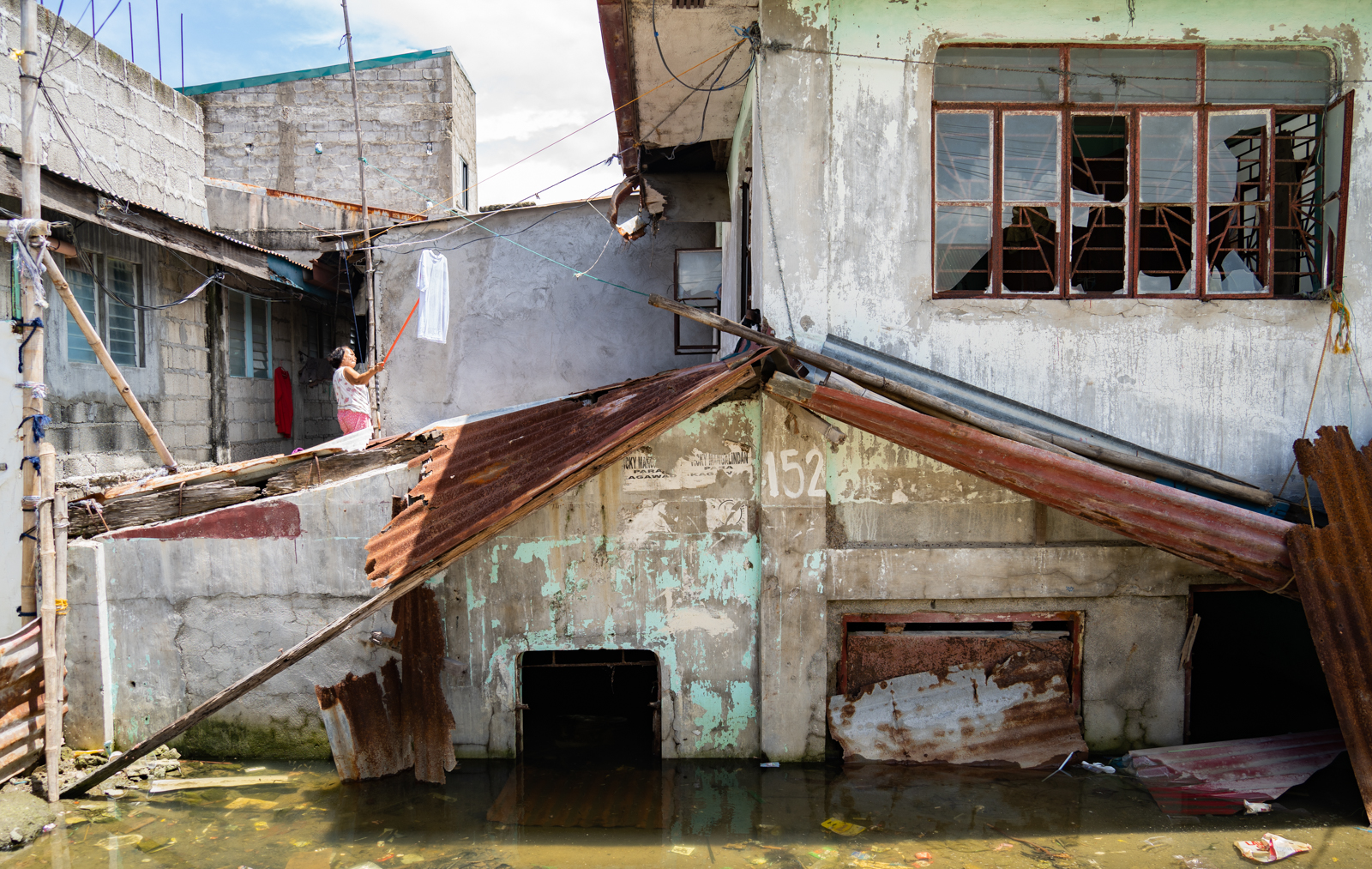
Subsidence in Pampanga, Philippines, driven by a combination of natural and human factors such as excessive groundwater extraction, volcanic activity, and soil composition, continues to impact local communities, leading to sinking land, flooding, and sadly, displacement.
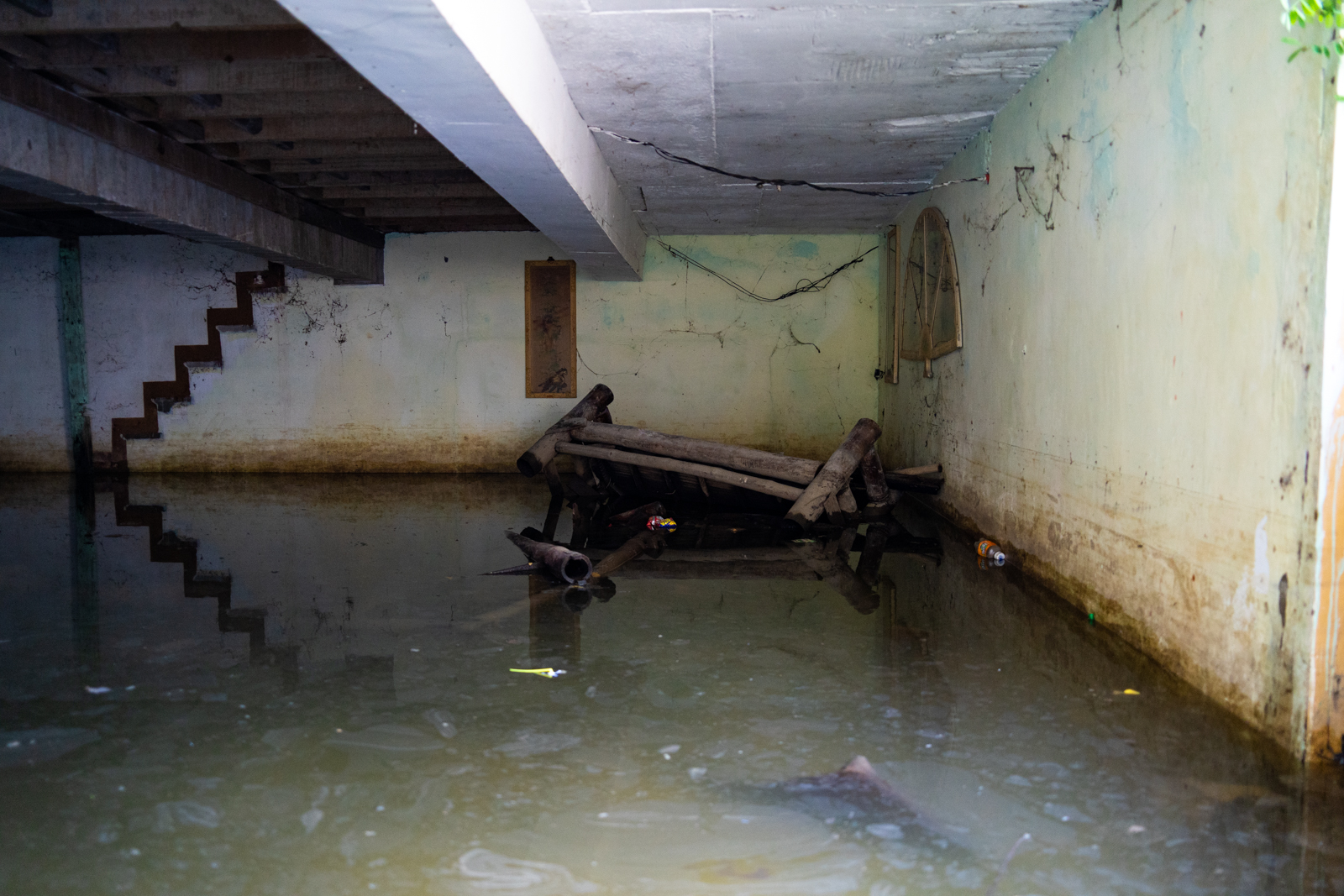
Numerous homes in the south are submerged in soil or water, with many already abandoned.
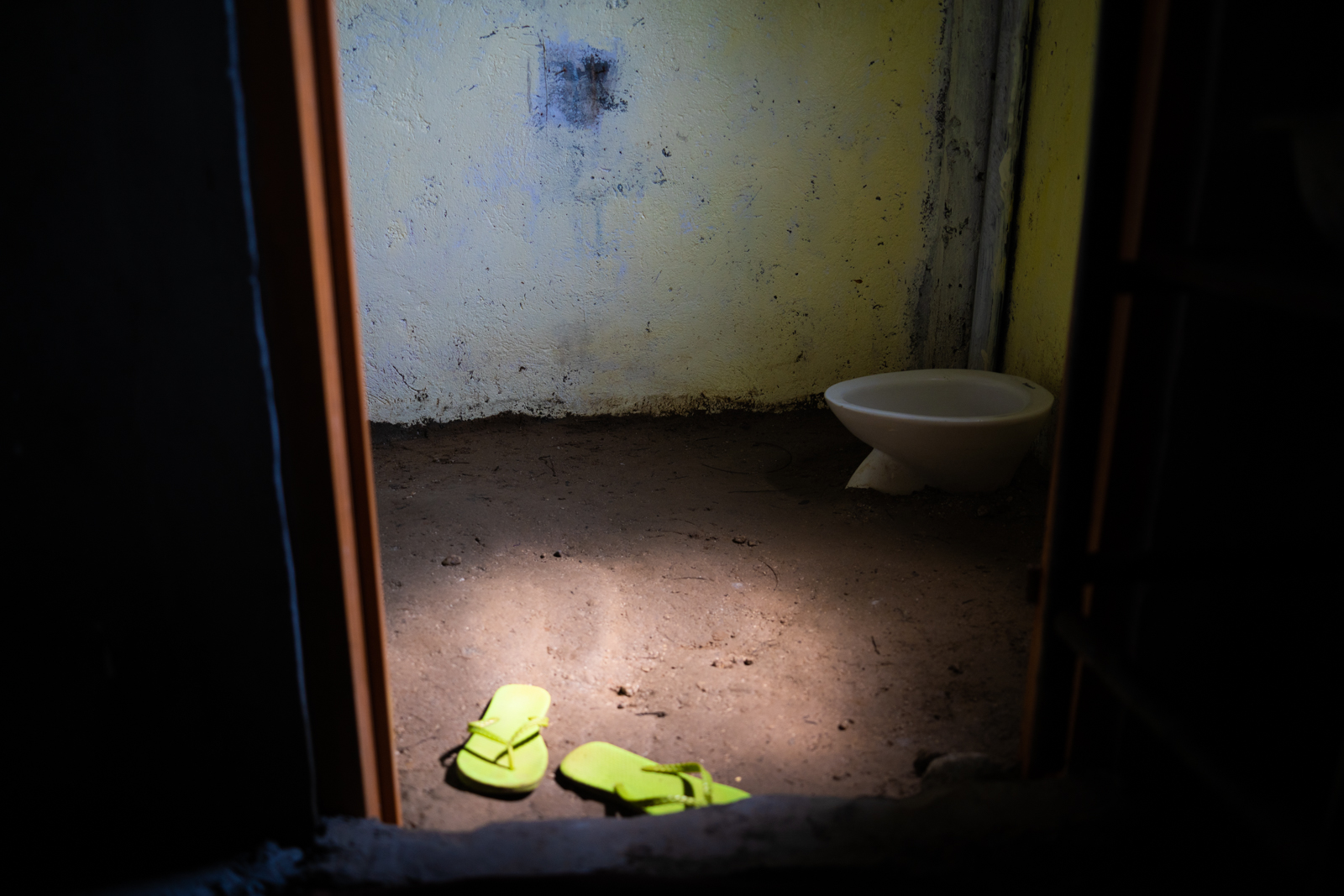
At Apung Maria’s home, the toilet floor has been raised using layers of soil to keep floodwaters from seeping inside. The ground level of her house is already halfway buried as a protective measure against the encroaching floods.
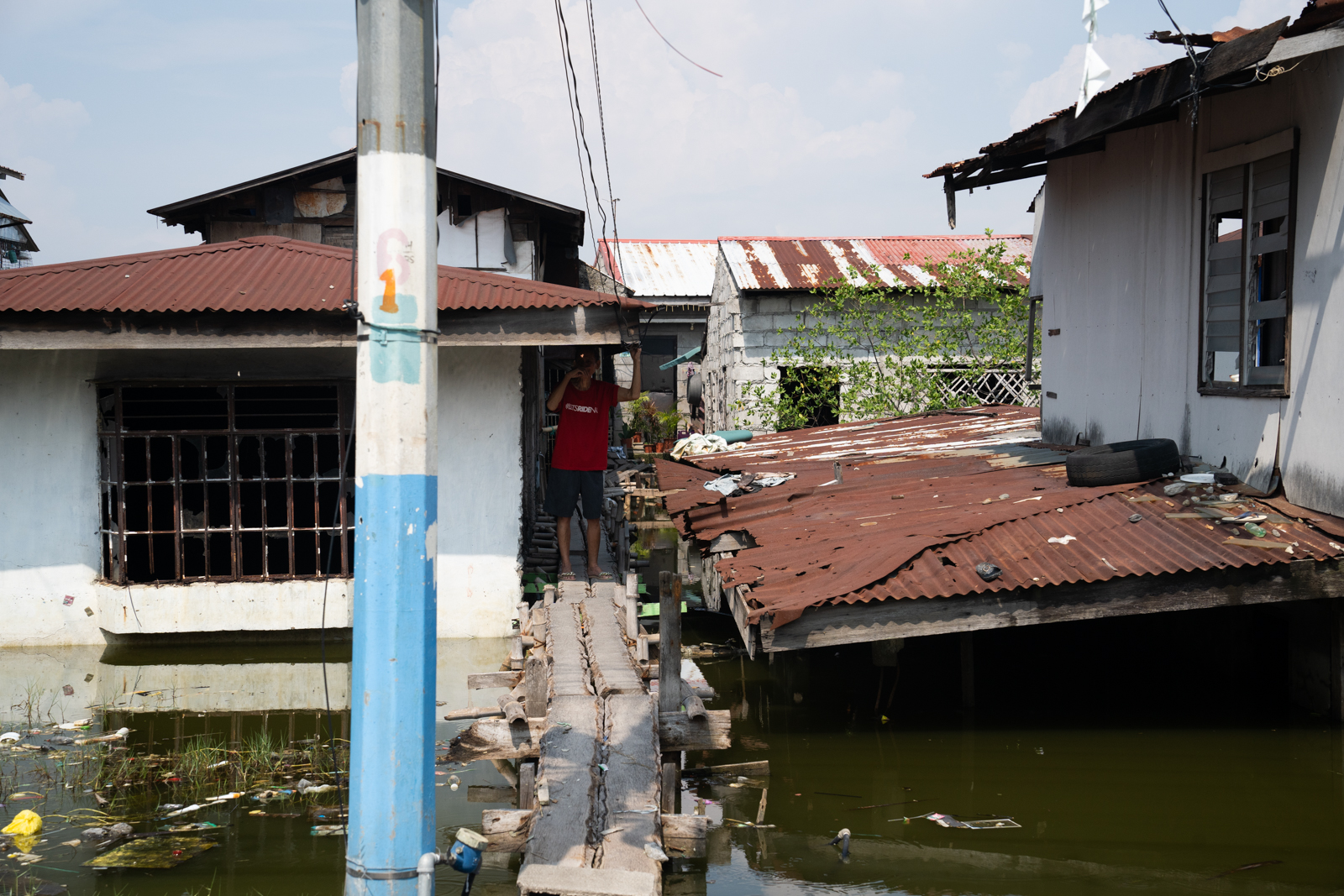
Due to the inadequacy of its existing drainage systems, stagnant water poses a multitude of dangers from a temporary inconvenience to a breeding ground for disease. Beyond health risks, stagnant floodwater accelerates the decay of infrastructure and weakens the foundations of homes.
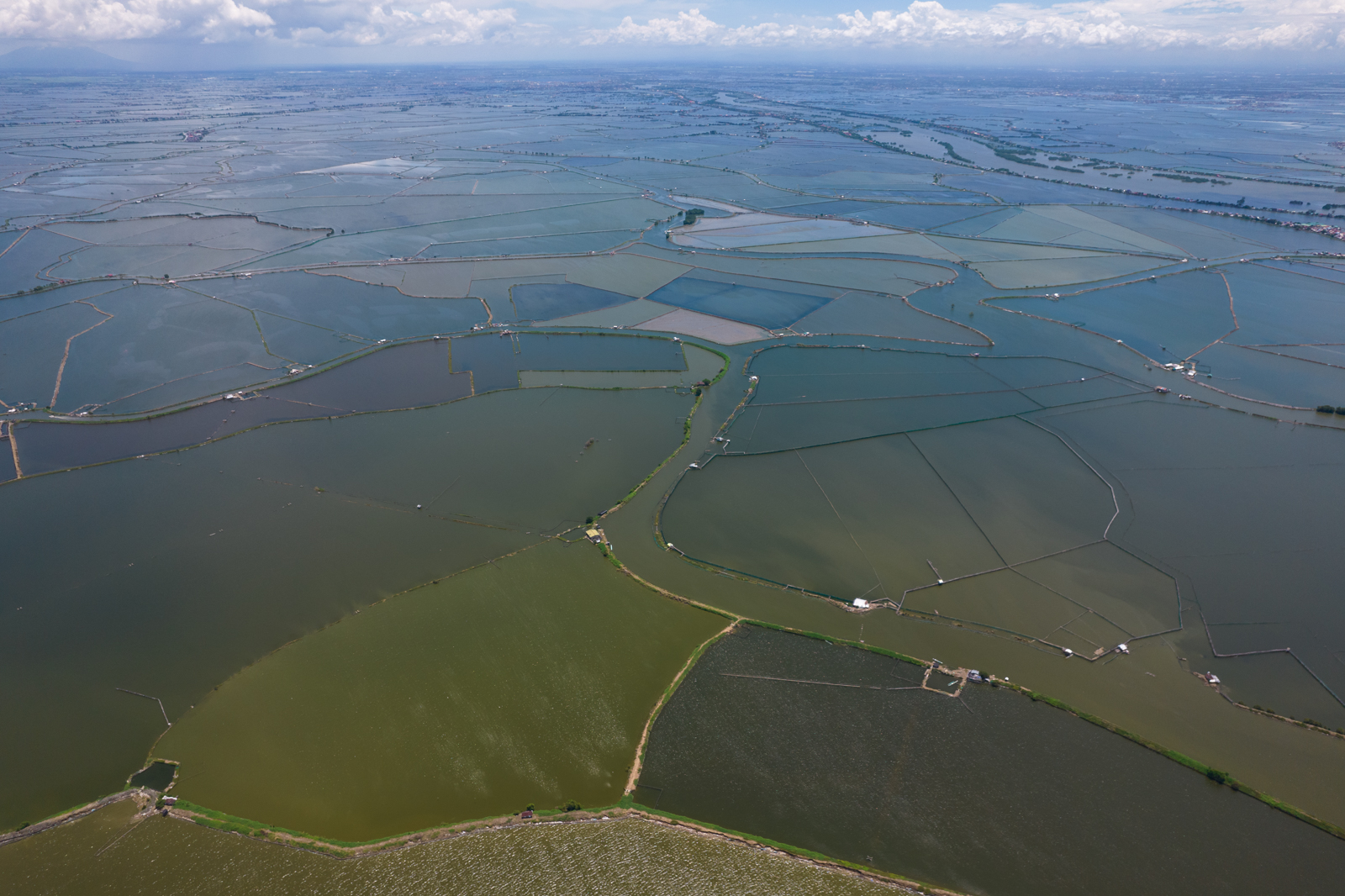
Plasdan (Fish Ponds).
With 80% of the workforce dependent on fishing, many local fisherfolk and their families practice ‘simutan,’ where they collect leftover fish from privately-owned ponds after harvest. Unfortunately, numerous illegal activities, particularly the siltation of waterways, have disrupted the natural flow of water. This has caused water heading toward Manila Bay to become trapped among fish ponds, creating blockages and hindering proper drainage, eventually causing floods.
To quote a Kampangan historian, Robert Tantingco, “Of all people living in the archipelago, we Kapampangans should be the wisest and best prepared when it comes to floods because, after all, we are called Kapampangans, “the people from the riverbanks”.
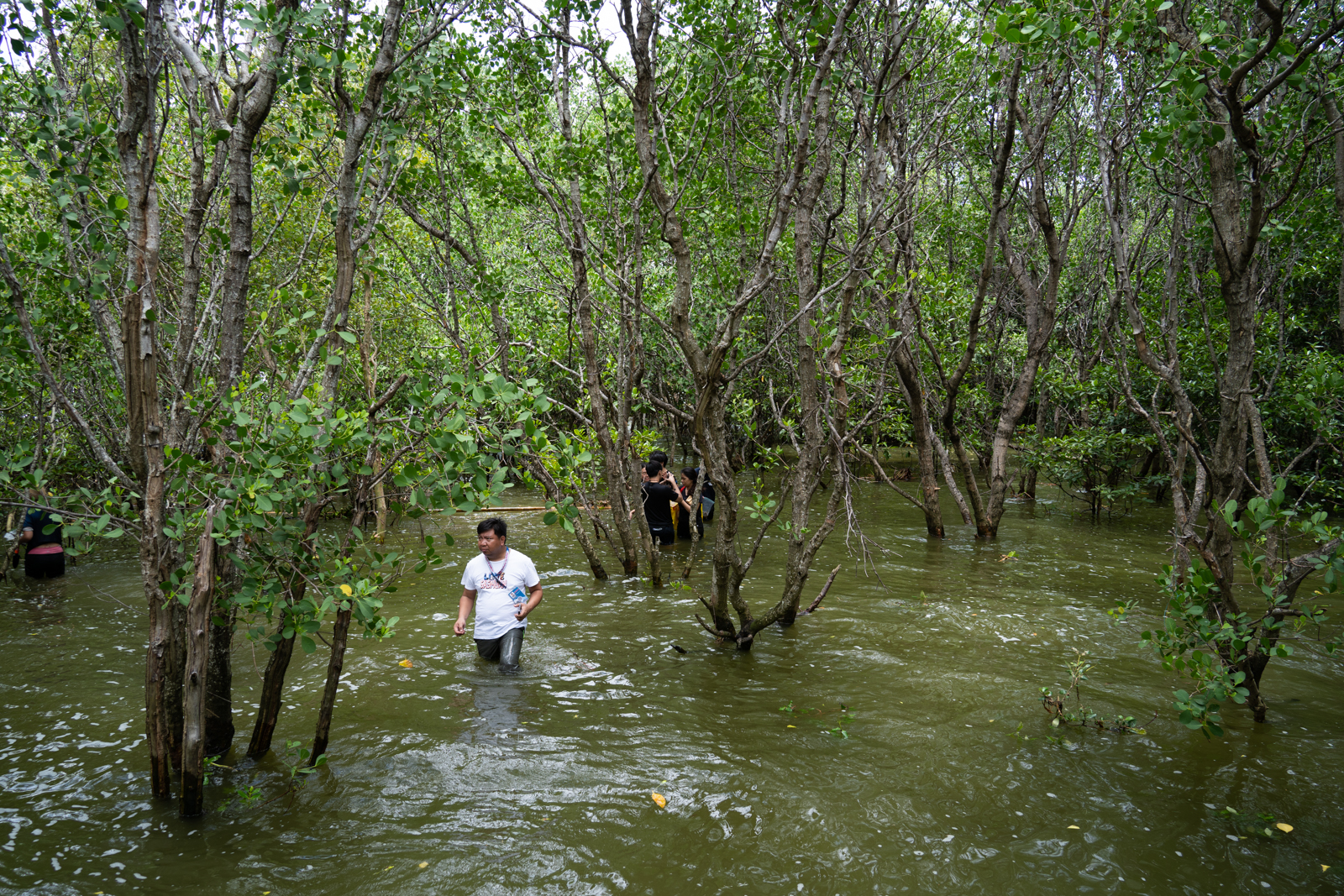
Graduate students of University of Sto. Thomas on field research at the SPCW site. The LGU of Sasmuan and the Sasmuan Wetlands are actively researching strategies to combat flooding, focusing on reforesting mangroves and implementing green solutions to enhance flood resilience.
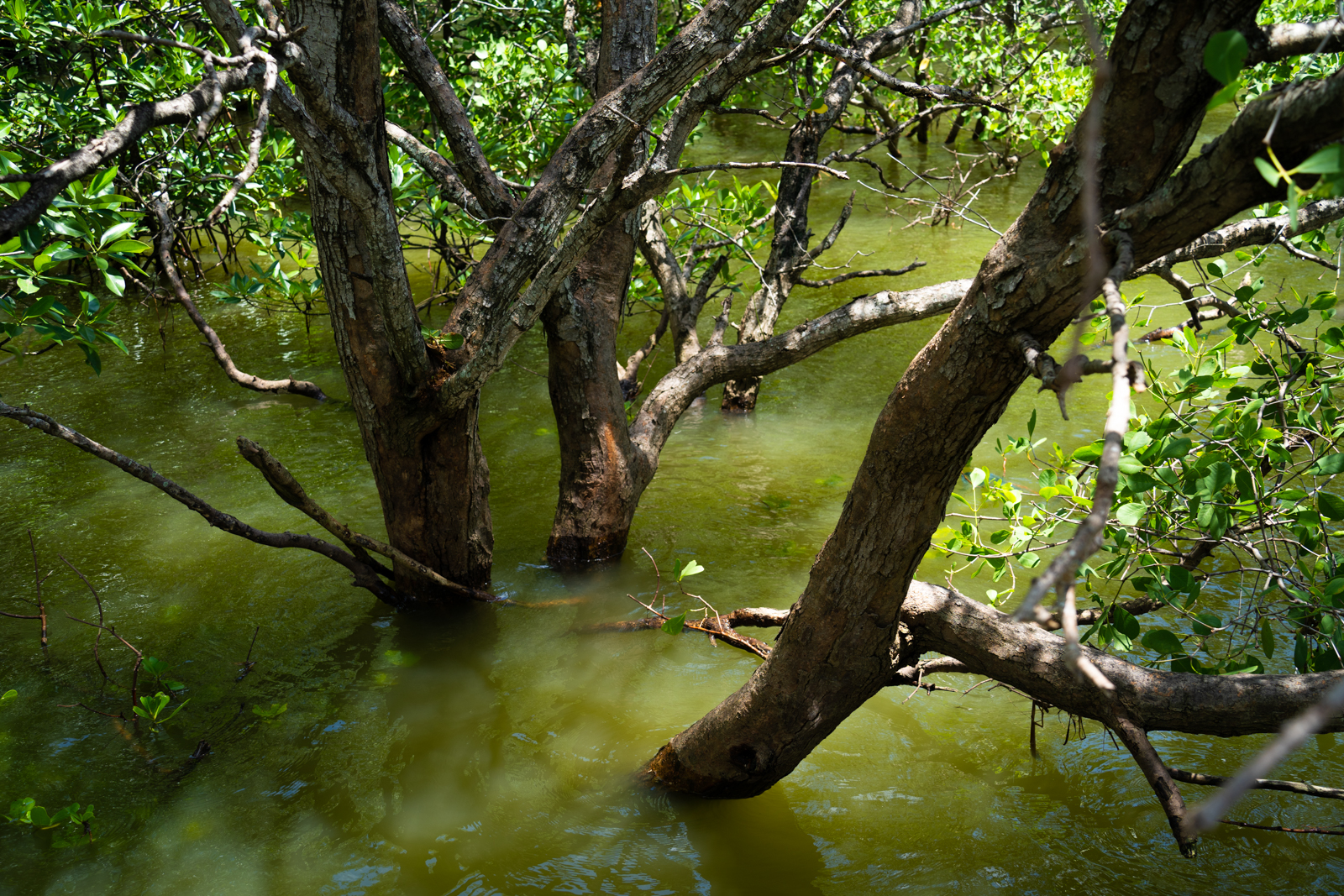
Sasmuan Pampanga Coastal Wetland site

Protecting and reforesting the Sasmuan Marsh not only combats flooding but also supports its rich biodiversity, providing a thriving habitat for migratory birds.
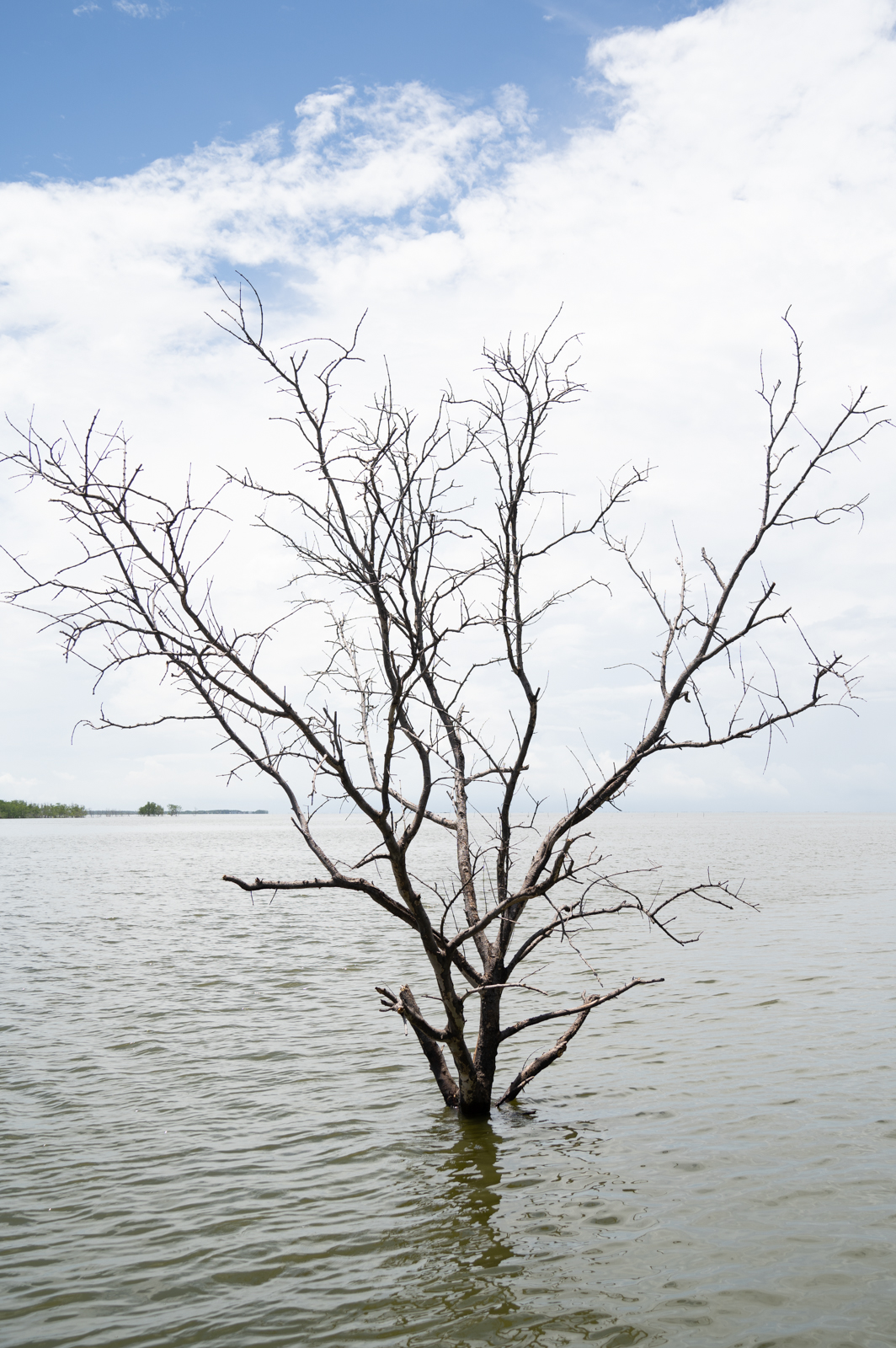
An old Pagatpat mangrove, having reached the end of its natural lifespan, known scientifically as Sonneratia alba, is a species of mangrove tree native to coastal areas in Southeast Asia and the Pacific. It is characterized by its distinctive, white flowers and prop roots, which provide stability in the muddy coastal soil and help filter sediments.
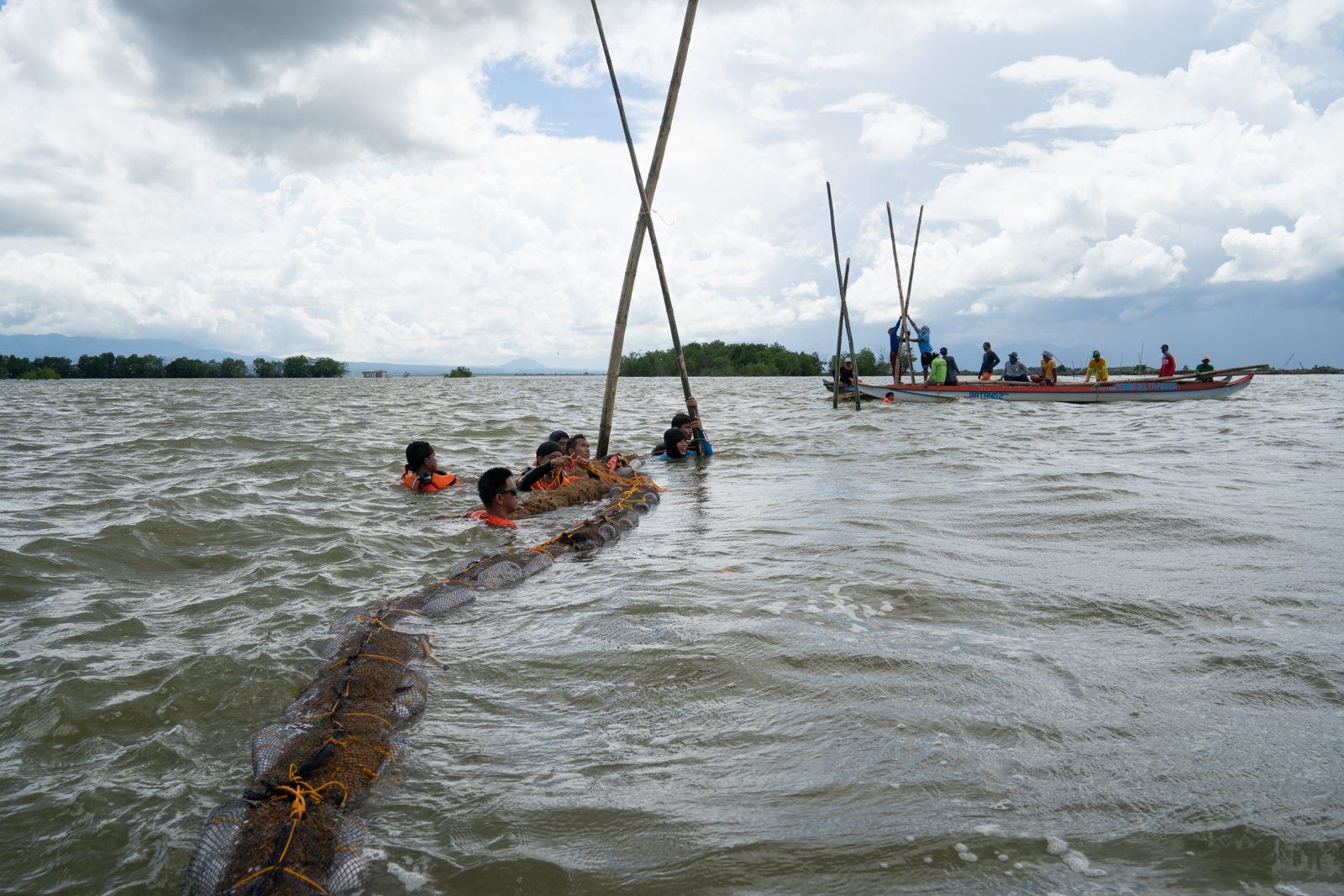
Pampanga ramps up disaster prevention efforts to safeguard water resources in response to the recent oil spill in Bataan, focusing on protective measures and environmental recovery.
The People from the Riverbanks
2023 - ongoing“Tatakut na kung matudtud potang ugtu, kabira kabud na tatas ing danum. Makanini keni lagi, otchung bulan makalumbug kami. Kayi bawat banua, tatas danum, bababa ing gabun, sabyan da metung kasapegu. (I’m scared to nap in the afternoon, because I don’t know if the water will mysteriously rise again. It’s always like this here, 8 months, we are submerged in flood. Every year, the water keeps rising, the ground keeps sinking— like the size of a matchstick.) —Apung Zenaida of Macabebe & Bapang Roderick of Sasmuan, Pampanga.
Pampanga, one of the most flood-prone regions in the Philippines according to The Cross Dependency Initiative is the second most at-risk province in the country for climate-induced damage over the next two decades, due to frequent flooding, rising sea levels, & land subsidence. Geographically, its location poses challenges, as it sits on an ancient lakebed, serving as a catch basin that collects rainwater from rivers in Central Luzon. Ideally, the water should flow directly to Manila Bay but encroachment, illegal fishing, siltation, & similar activities obstruct it. The situation is also exacerbated by Pinatubo’s eruption & its continuous release of sediments causing some areas to submerge permanently.
The project aims to explore the local impacts of extreme climate change to vulnerable communities while also addressing its global impact that can resonate with other underrepresented groups.