
Unfurling
2024Tales, textiles, and dreams of the T’boli community of Lake Sebu.












Unfurling
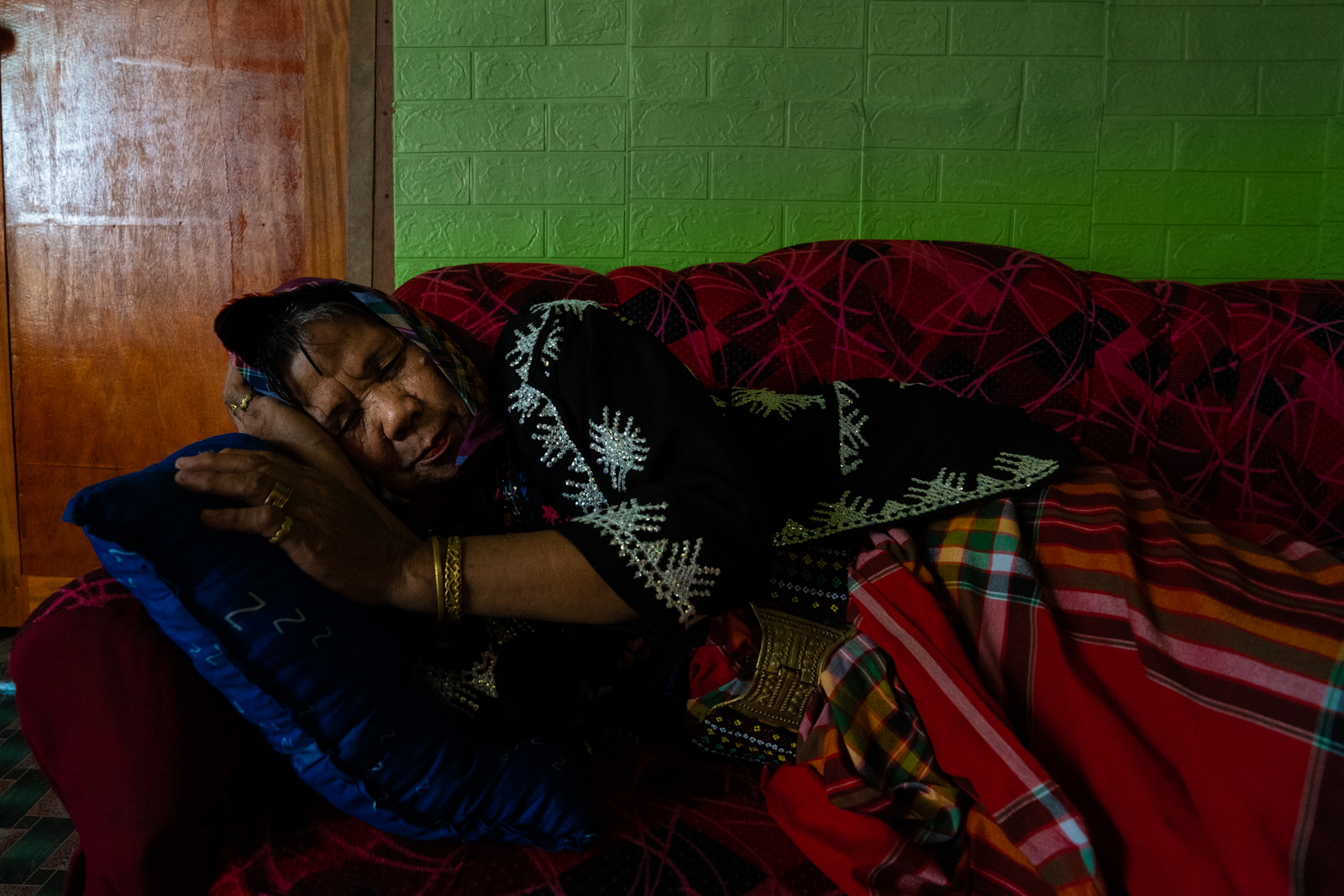
2024When we think of textile stories, our thoughts instinctively wander to their origins. We think about the raw materials- cotton, wool, hemp- and the journey through countless hands before they become something functional. But what if the story starts even before the materials come into existence? In the Philippines, these textile stories begin at night, in the depths of dreams, in a realm beyond our grasp.
In Lake Sebu, dreams aren’t just fleeting images of the night; they’re gifts, translated into patterns, then skillfully weaved into fabrics. In T’boli culture, it is believed that the patterns of the T’nalak textile are gifted to select dreamweavers by Fu Dalu, the goddess of Abacá.
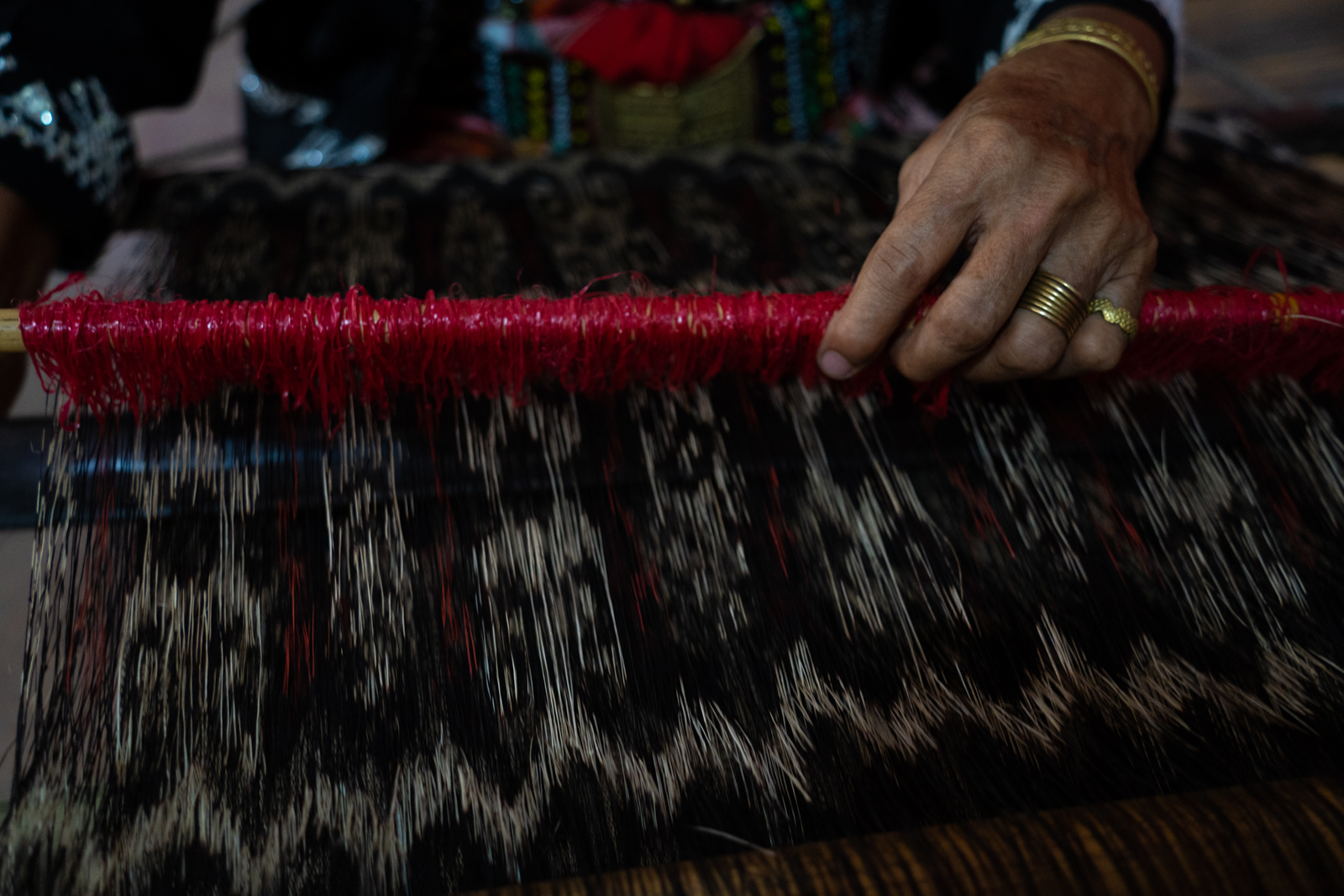
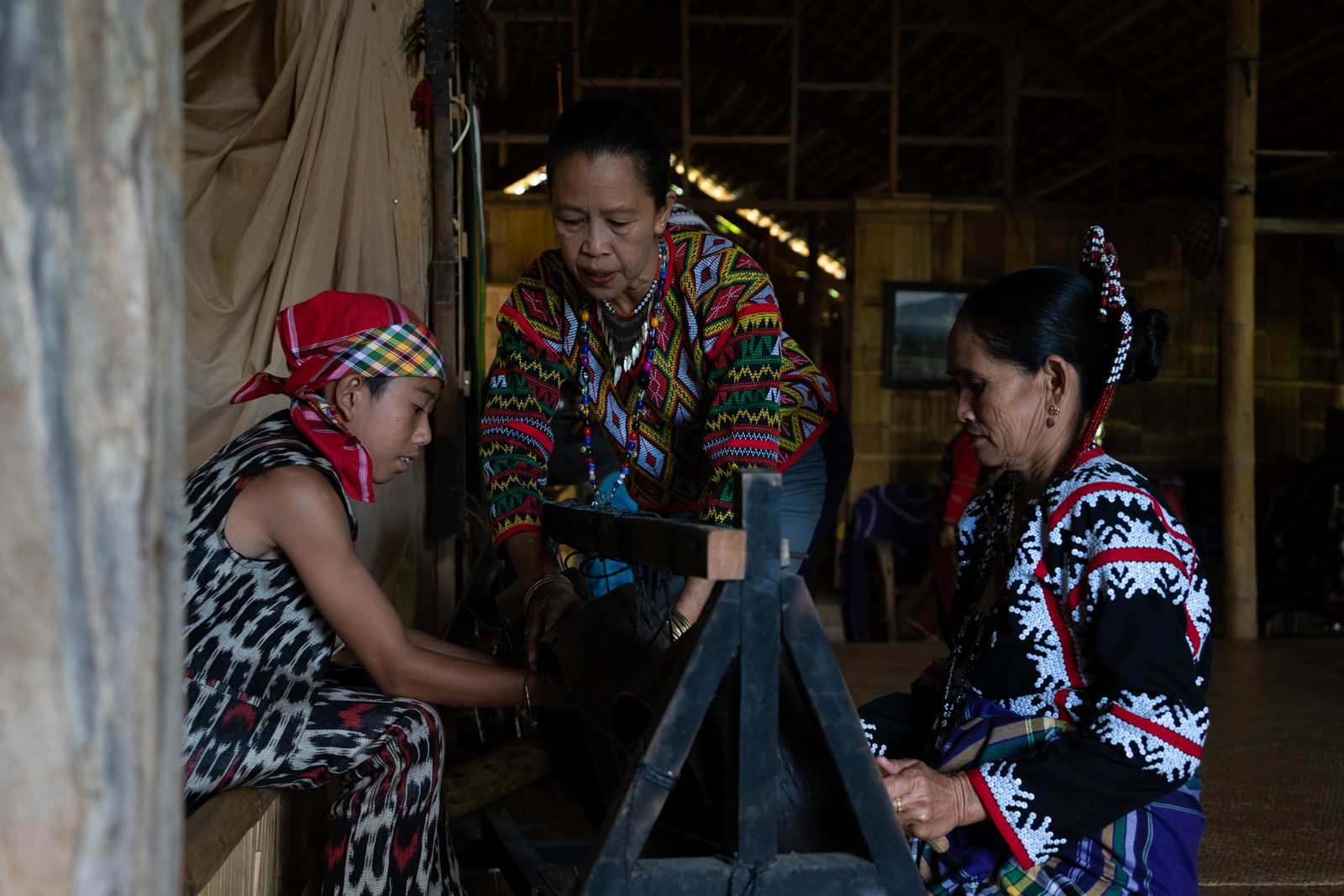
Yet not every weaver is visited by dreams. In these communities, the most revered dreamweavers are often the elders who have devoted their lives to their craft. More than a skill; it’s a virtue- a life devoted to generosity and giving back to the community. At its extreme, a few of the women in the community practice abstinence to maintain the purity of their art. Guided by their ancestors, the chosen dreamweavers communicate their artistic understanding of the world through weaving. The process is meticulously carried out by hand, with materials sourced entirely from its land. And while under the guidance of a master dreamweaver, T’nalak weaving is a collective community effort. The process of gathering and preparing materials is intricate and labor-intensive, creating just a piece can take as long as two months to complete.
T’nalak is a sacred fabric, inseparable from the life of the T’boli people. As a craft, it imparts the cloth’s spiritual significance to young weavers, integrating them into the T’boli community. As a product, it bolsters T’boli women’s economic and social standing. As a cultural asset, T’nalak affirms the community’s identity and also holds a geographical indication status. Finally, it serves as a cultural ecology by integrating sustainable practices that mitigate environmental threats while preserving their traditions and livelihoods.
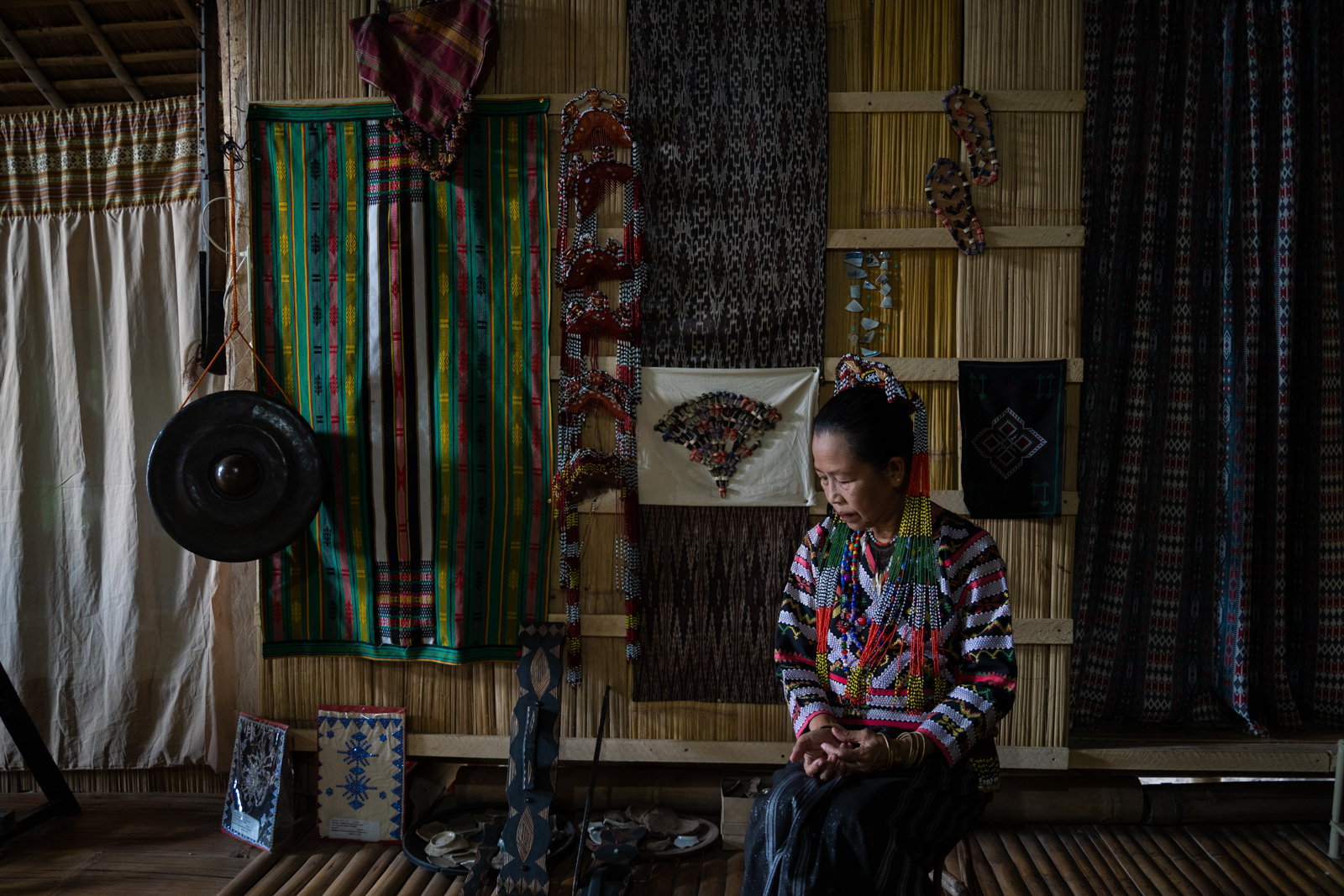
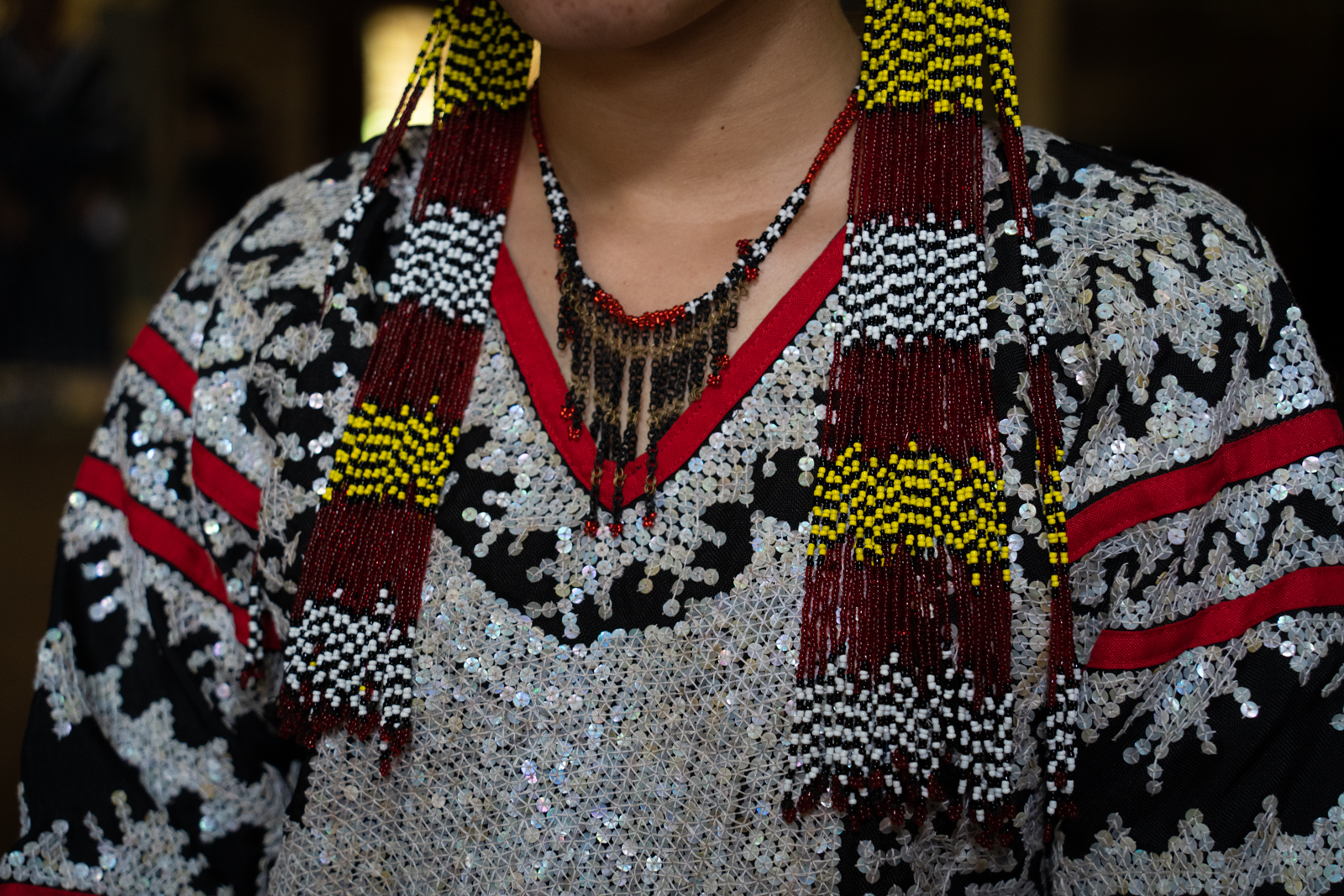
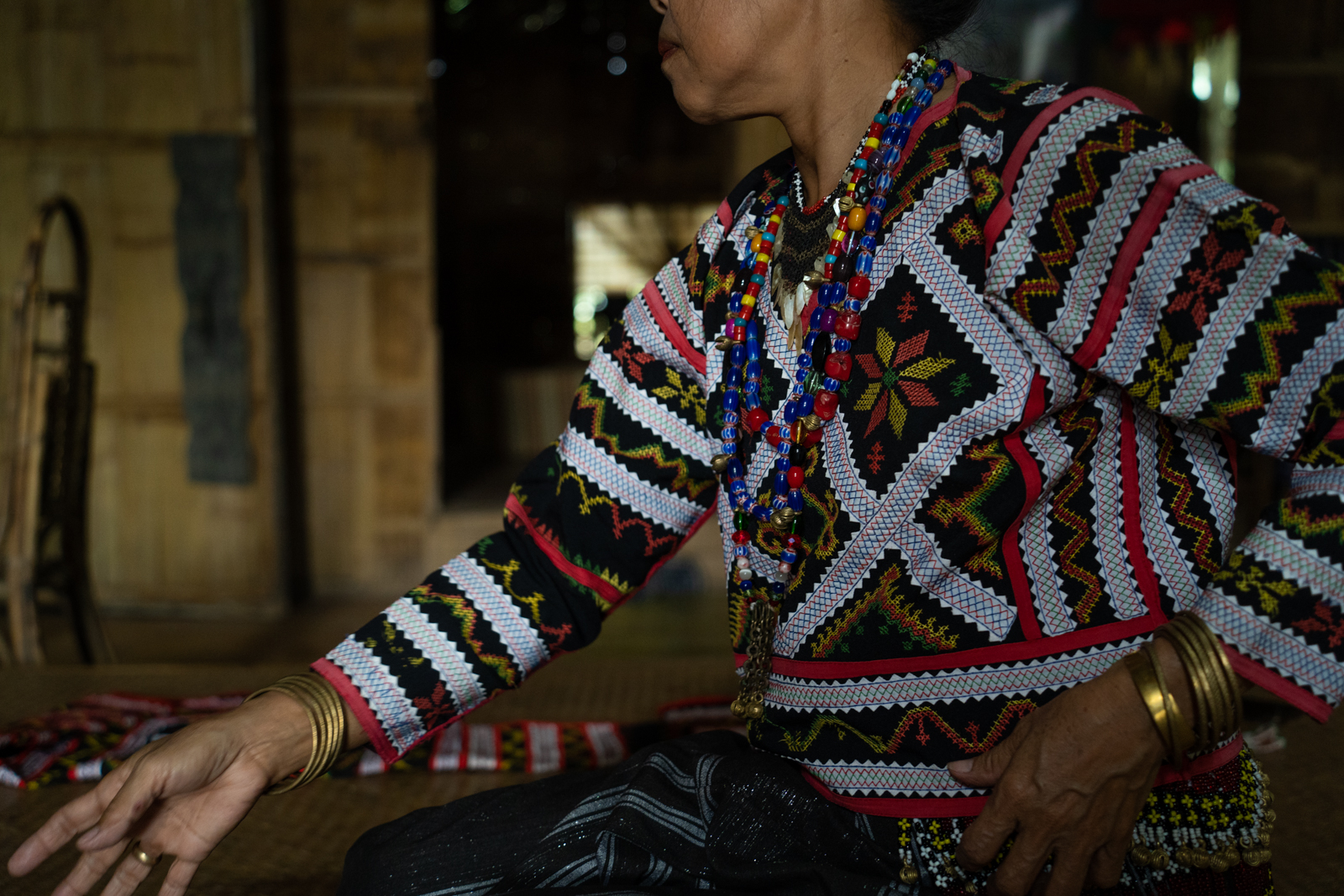
The School of Living Tradition plunged us even deeper into their culture, revealing layers of tradition and depths of artistry. Both a traditional homestay and a center for teaching T’boli arts and culture to indigenous youth, the SLT’s goal is to preserve their heritage through songs, dances, art, and literature. The longhouse built with local materials, provides an intimate, museum-like experience where you can find an array of art pieces, cultural relics, and colorful traditional attires. Beyond T’nalak, the T’boli are also master embroiderers and brass casters, creating pieces that travel far beyond their community. Their bead jewelry and wood carvings are renowned and their mastery of their craft earns them a reputation for their artistic excellence. Regarded as one of the most visually striking Filipino indigenous communities, T’boli performers have showcased their talents at major events across the world.
Lake Sebu is the backdrop against which T’boli stories unfold, a source of inspiration for their art, music, and folklore. It provides sustenance through fishing and irrigation, supporting their livelihoods and fostering a deep connection to the land. It also serves as a home to the vibrant lotuses that only unfurl at dawn, drawing the attention of many tourists.